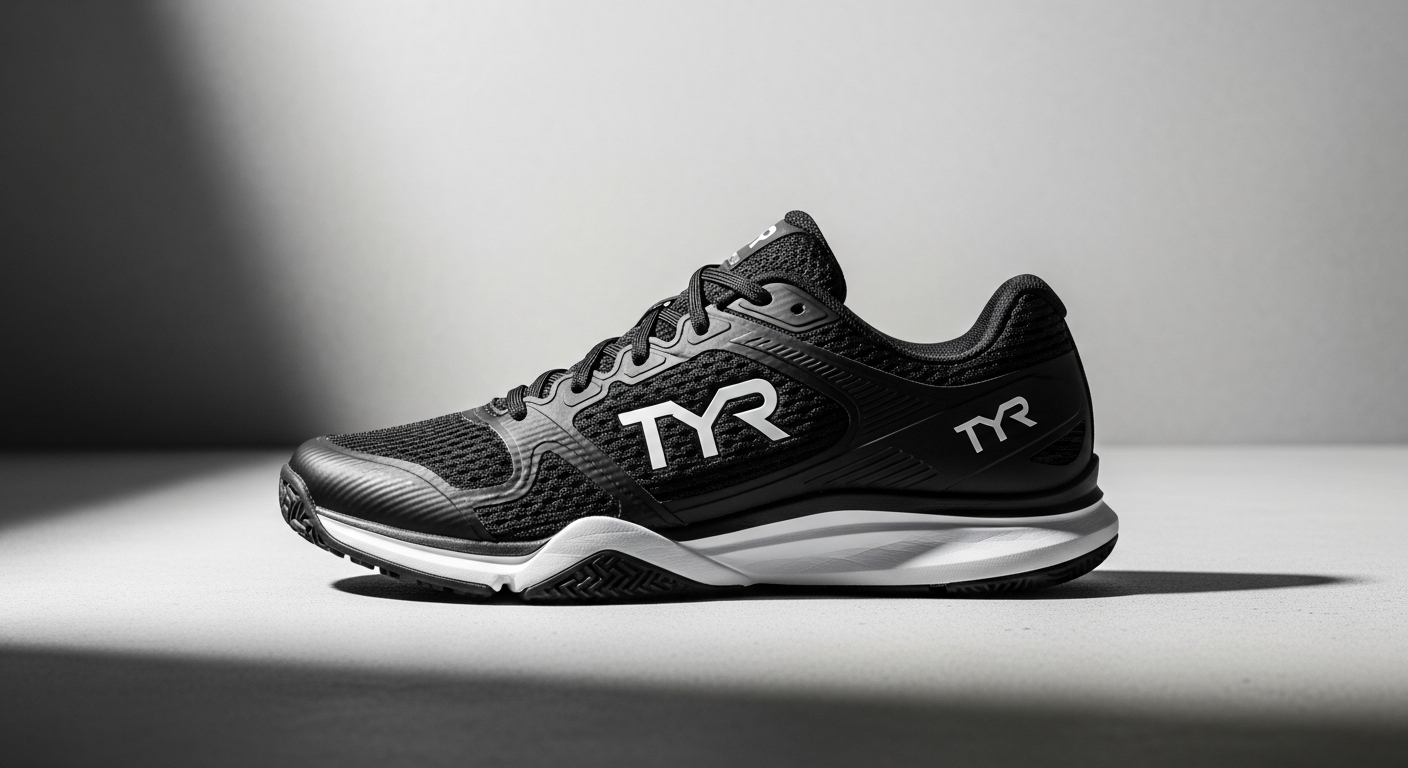
TYR CXT-3 Trainer Review: The Underdog CrossFit Shoe That Deserves Your Attention
TYR is known for swimwear. Their CXT-3 training shoe is trying to change that. After 6 weeks of daily CrossFit use, here's whether it's worth taking the leap on an unknown brand.
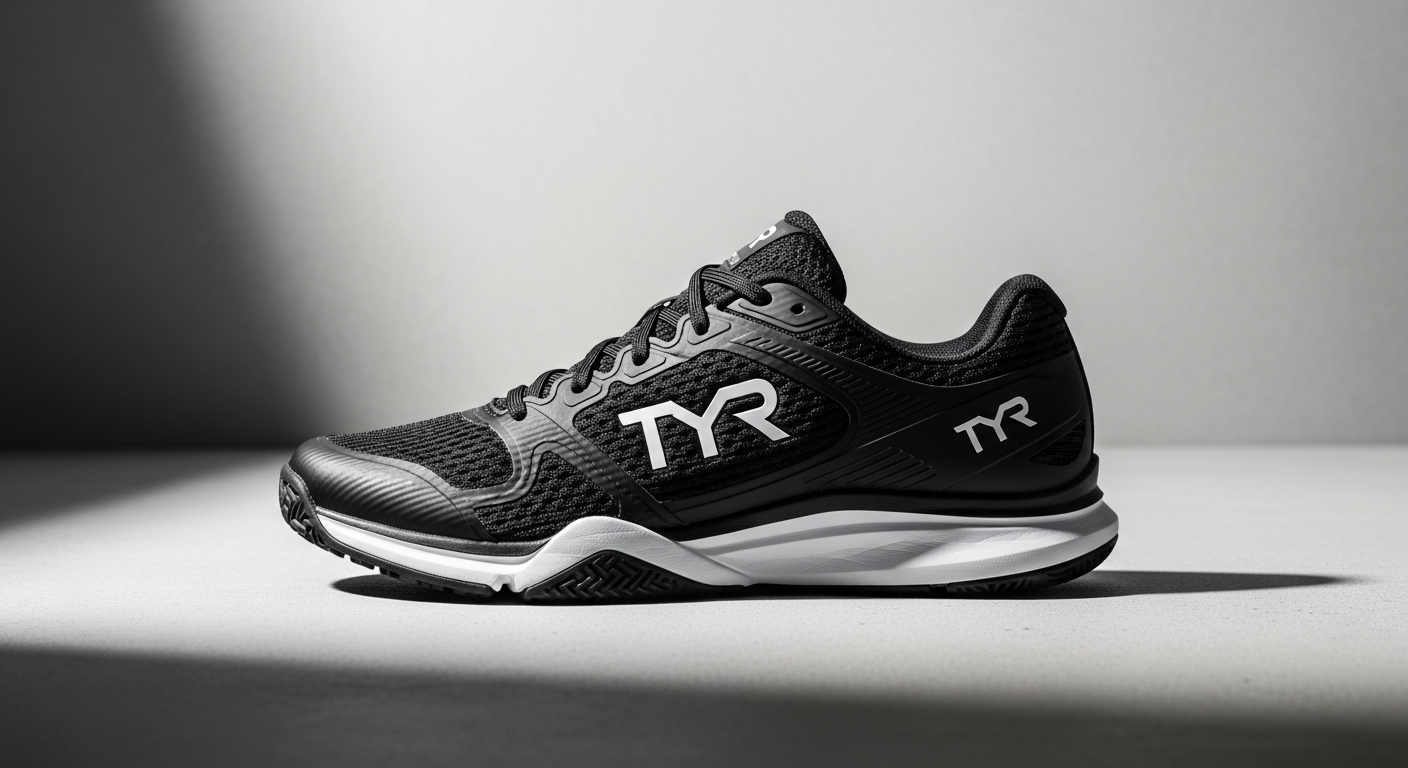
When someone says TYR crossfit shoe, the first reaction from most CrossFitters is: "Wait, TYR makes training shoes?" Yes. And after 6 weeks of serious CrossFit use, the more relevant question is: "Why didn't more people know about this sooner?"
The TYR CXT-3 review community is smaller than it should be — TYR's dominant market position in competitive swimming has meant their crossover into training footwear has been undersold. The CXT-3 is the third generation of their CrossFit-specific trainer and it's the version where they've figured out what CrossFit athletes actually need.
This is a full-length review after using the CXT-3 for 6 weeks across heavy lifting days, mixed MetCons, gymnastics work, and rope climbs.
Who Is TYR, and Should That Matter?
TYR is a performance-focused athletic brand that built its reputation in competitive swimming, triathlon, and endurance sports. They have legitimate R&D infrastructure and genuine athlete partnerships — their crossover into functional fitness footwear isn't a marketing exercise, it's an extension of their performance brand DNA.
The CXT line launched to compete directly with Nike Metcon and Reebok Nano in the CrossFit training shoe space. The CXT-1 was promising but unrefined. The CXT-2 addressed most of the CXT-1's weaknesses. The CXT-3 is the version that makes TYR a genuine contender.
First Impressions
The CXT-3 sits low to the ground — immediately recognisable as a training shoe rather than a running shoe. The profile is cleaner and more minimal than the Metcon or Nano, which tends to look busy. Athletes who prefer a lower-visual-noise aesthetic will appreciate the CXT-3's restraint.
Weight is approximately 10.4oz (295g) for a men's US10 — slightly lighter than the Metcon 9 and comparable to the Nano X5. Not a weight-weenie shoe but also not a brick.
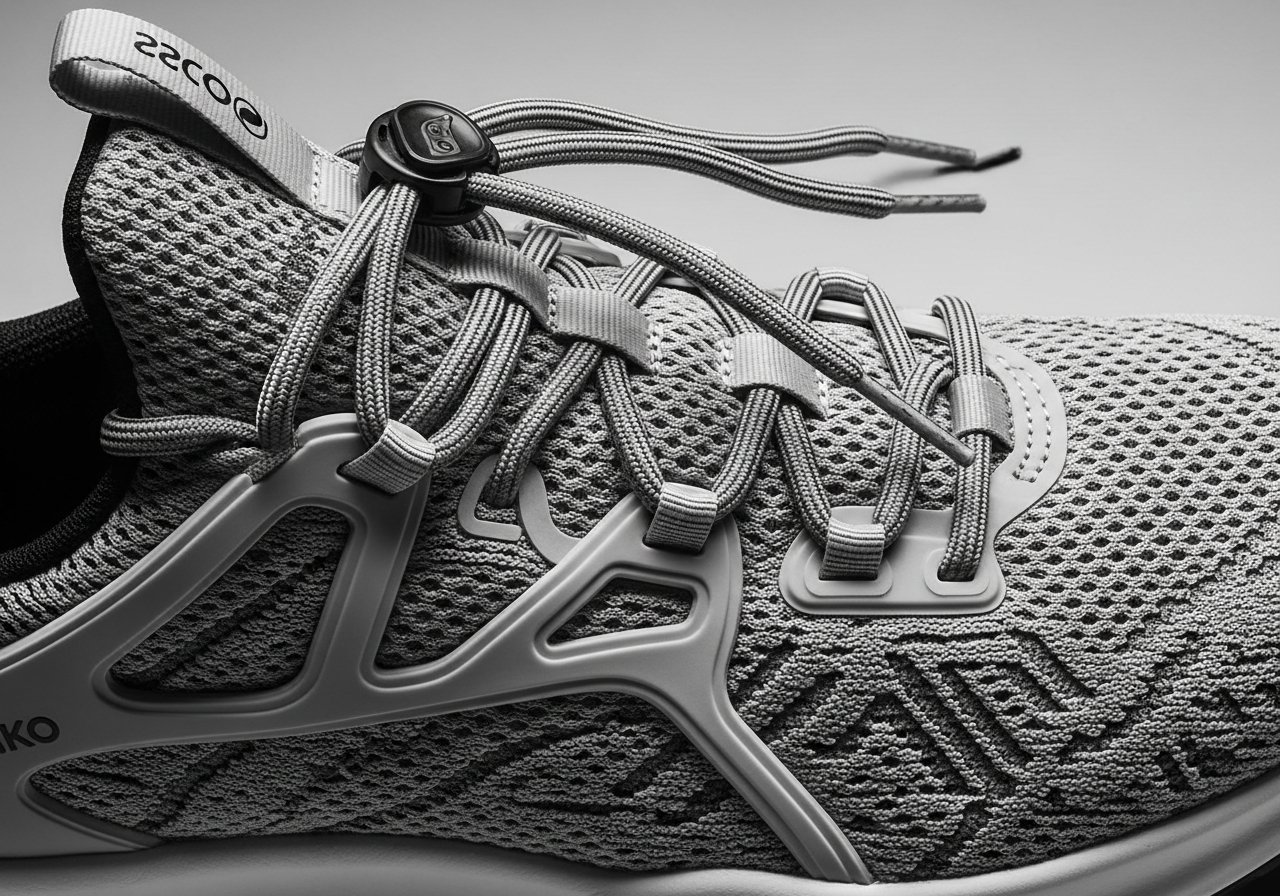
The upper material is a reinforced engineered mesh with strategic overlays — clearly informed by TYR's experience with performance materials in their swim and tri products. The mesh is tight enough to prevent deformation without sacrificing breathability.
Stability: The Core Performance Story
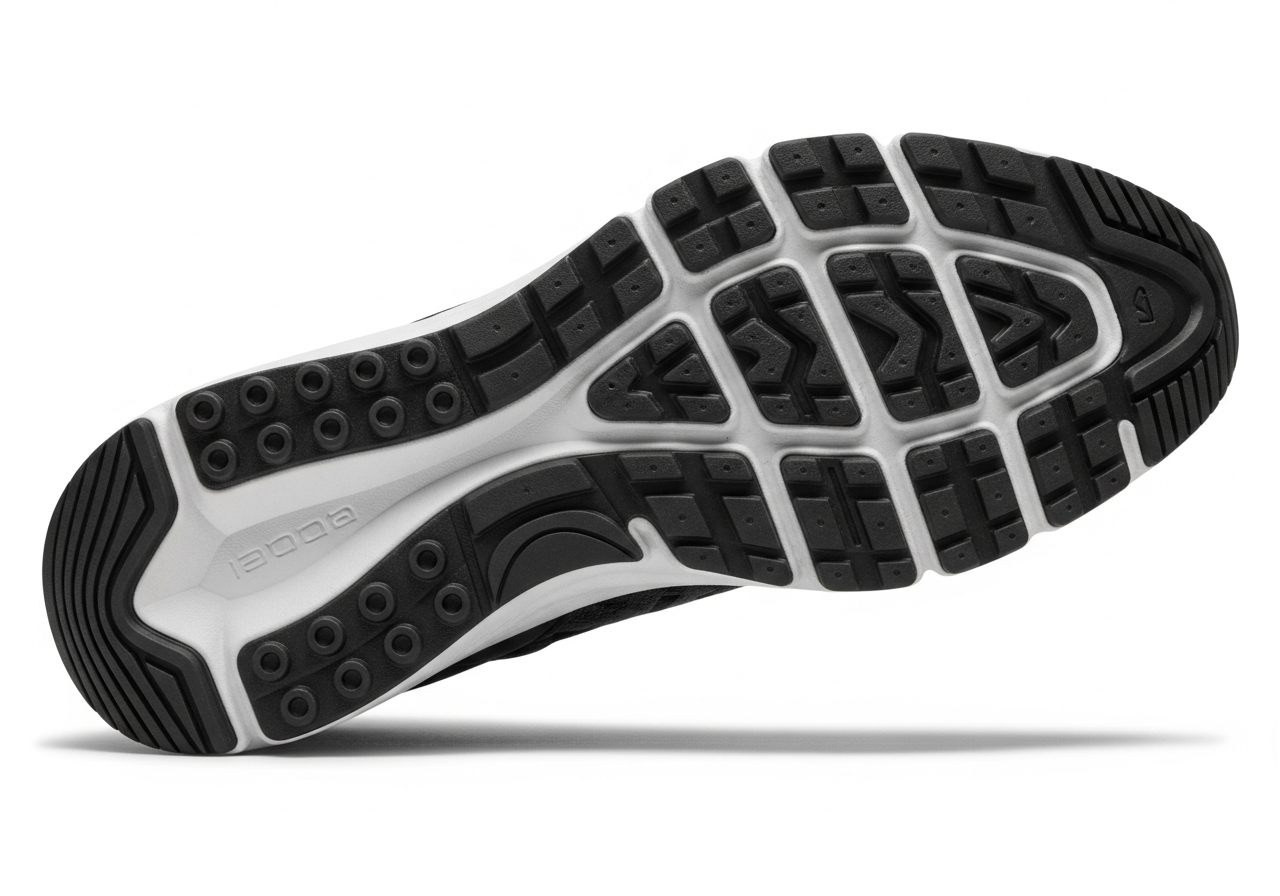
The CXT-3 uses a dual-density midsole — firmer compound in the heel, more responsive foam in the forefoot. This is the standard CrossFit trainer architecture but TYR's execution has some nuances worth noting.
Heel stability: The heel platform is slightly wider than competitors, which creates exceptional stability for squats and Olympic lifting. Wider is not always better (it can make the shoe feel clunky), but TYR has calibrated the width increase to improve stability without creating the "boat shoe" effect that plagues some training shoes.
Forefoot responsiveness: The forefoot foam is noticeably more responsive than the Metcon 9 — closer in feel to a running shoe forefoot, which pays dividends in box jumps, burpees, and any landing-heavy movement. Athletes coming from running backgrounds will adapt to the CXT-3 faster than to more traditional training shoe forefronts.
Lateral stability: Strong. The midfoot construction resists lateral roll during cutting movements better than we expected from a brand newer to this market. The structured overlays on the lateral upper are doing real work here.
Upper Construction
The upper is where TYR's performance materials background shows most clearly. The engineered mesh is denser than competitors while remaining breathable — a combination that's harder to achieve than it sounds.
Key features:
- ▸Double-layered toe reinforcement that handles rope climbs better than expected
- ▸Medial midfoot overlay that resists abrasion from bar contact
- ▸Internal ankle collar padding that's plush without adding bulk
- ▸External heel counter that's firm but not abrasive
Durability note: After 6 weeks of daily training, the upper shows minimal wear. The toe box reinforcement has survived multiple rope climbs without delamination — a common failure point on training shoes. Projected durability looks competitive with the best in class.
The Rope Climb Test
The medial forefoot reinforcement on the CXT-3 passes the rope climb test at the 6-week mark with visible but superficial wear only. Better than average for a non-Nano competitor. The outsole rubber wraps up the medial side enough to provide adequate grip without the dedicated rope climb reinforcement of a Metcon.
For athletes who do 3-4 rope climbs per workout 5 days per week, the Metcon 9 still wins specifically for this use case. For athletes with standard rope climb volumes (1-2x per week), the CXT-3 is more than adequate.
Running Performance
Here's where the CXT-3 makes an argument that few pure CrossFit training shoes can: it's a genuinely comfortable running shoe for distances up to 5K. The more responsive forefoot foam and the running-informed midsole geometry make interval running in the CXT-3 noticeably more comfortable than in a Metcon or standard Nano.
For athletes who program regular running-based MetCons or who run as supplementary conditioning, this matters. The CXT-3 effectively replaces both a training shoe and a light running shoe for distances up to 5K — a meaningful practical benefit.
Beyond 5K, we'd recommend switching to a dedicated running shoe. The stack height and drop aren't optimised for longer distances and the trade-offs become noticeable.
Lifting Performance
Heavy squats and cleans feel stable and grounded. The wider heel base pays off here — athletes who've struggled with stability at high squat percentages in narrower shoes will feel the CXT-3's platform as immediately reassuring.
Front squats and overhead squats benefit from the heel stability. The heel elevation (approximately 6mm drop) is consistent with the CrossFit training shoe convention and doesn't introduce the knee-forward lean that higher-drop shoes create.
For dedicated Olympic lifting sessions (90%+ snatches, high-volume clean and jerk), we'd still recommend dedicated weightlifting shoes. But for the 70-85% Olympic lifting that fills most CrossFit programming, the CXT-3 is more than capable.
Sizing and Fit
TYR runs true to size for athletes with medium-width feet, based on standard US sizing. The toe box is medium-width — not as wide as the Nano, not as narrow as the Metcon. Athletes in between those two preferences will find the CXT-3 a natural fit.
The heel collar is snug with a slight heel cup that holds the foot securely during dynamic movements. Athletes with narrow heels who experience heel slippage in other training shoes will appreciate this.
Recommendation: Order your standard size. Try on with training socks if possible.
Price: $120 and Worth It
At $120, the CXT-3 undercuts Nike Metcon and Reebok Nano by $10. The price difference doesn't represent a quality gap — it represents TYR's market position as the challenger brand that needs to offer value to compete.
Athletes who've been loyally buying Metcons or Nanos should genuinely try the CXT-3 — the performance case is real, and the price is a modest bonus.
Who Should Buy the CXT-3
Perfect for:
- ▸Athletes who run regularly in their CrossFit programming (the running comfort is a genuine differentiator)
- ▸Athletes with medium-width feet looking for a slightly more stable heel platform than the Metcon
- ▸Athletes willing to support a brand trying to earn their way into the CrossFit community with product quality
- ▸Anyone who wants to stop paying $130 for a shoe when $120 provides equivalent performance
Skip it if:
- ▸You have wide feet and need the Nano's wider toe box
- ▸Rope climbing is a primary focus (Metcon still wins here)
- ▸You're deeply brand-loyal to the established CrossFit shoe brands
Final Verdict
The TYR CXT-3 is not a gimmick from a swimming brand trying to capitalise on CrossFit's popularity. It's a thoughtfully engineered training shoe that earns genuine respect in daily CrossFit use.
Rating: 8.5/10
The slight deductions are for brand recognition (affects community support, resale value) and the rope climbing performance that's adequate but not exceptional. Everything else — stability, running versatility, durability, fit — is excellent.
TYR has made a CrossFit training shoe worth taking seriously. The CXT-4, if they continue this trajectory, might be the one that genuinely threatens Nike and Reebok's dominance.
Buy it: tyr.com/training-shoes | $120
More from BoxJunkies
Best Lifting Belt for CrossFit 2026: Support That Moves With You
A good lifting belt should become invisible in the middle of a heavy squat or clean. We tested the top CrossFit-compatible lifting belts to find the ones that actually disappear when you need them to.
Best Wrist Wraps for CrossFit 2026: Protect Your Lifts Without Losing Wrist Mobility
Wrist pain is the silent CrossFit career-ender. The right wrist wraps keep you training through heavy pressing cycles and overhead work without sacrificing mobility. Here's our 2026 guide.

Best CrossFit Shoes for Wide Feet 2026: Stop Suffering in Narrow Shoes
Wide feet in CrossFit shoes shouldn't mean compromising performance. We found the best options for wide-footed athletes who refuse to train in discomfort.