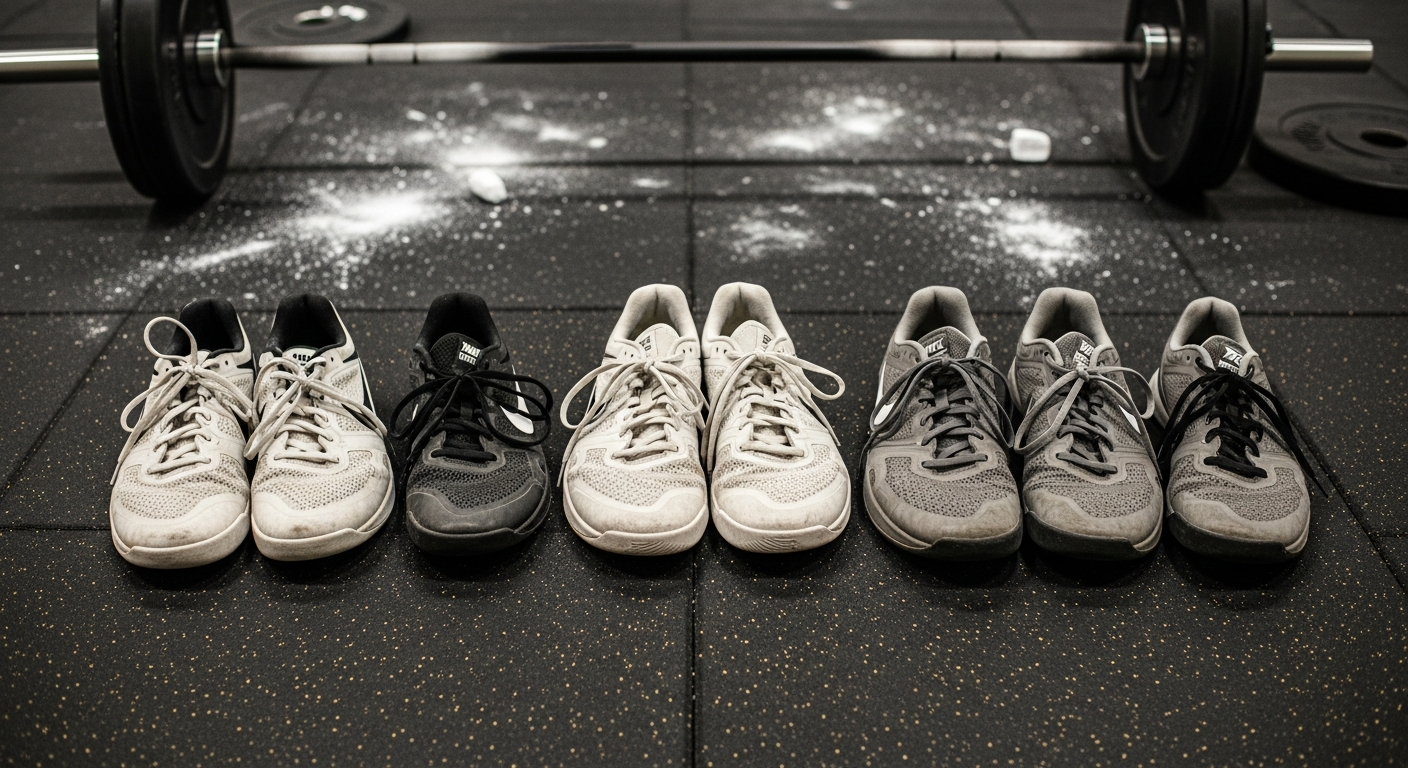
Best CrossFit Shoes for Wide Feet 2026: Stop Suffering in Narrow Shoes
Wide feet in CrossFit shoes shouldn't mean compromising performance. We found the best options for wide-footed athletes who refuse to train in discomfort.
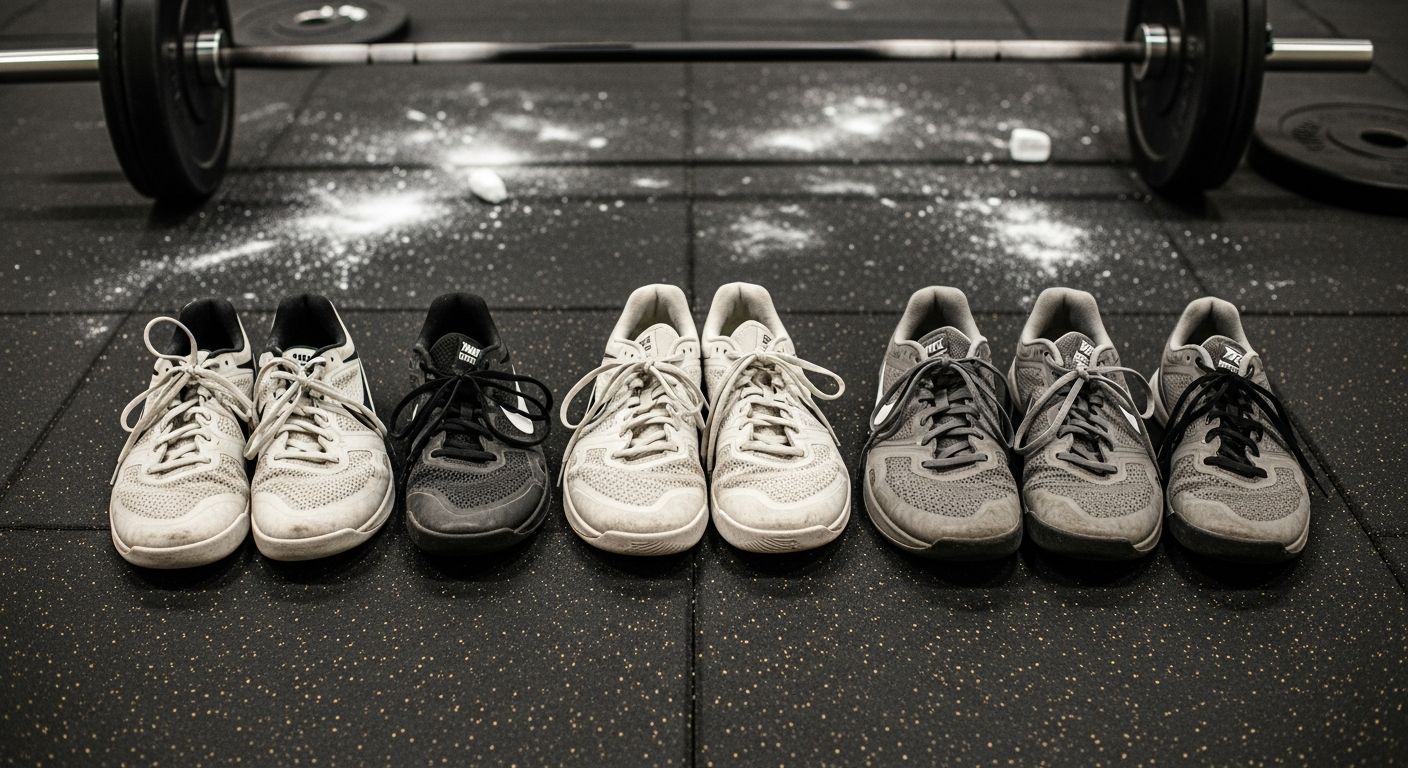
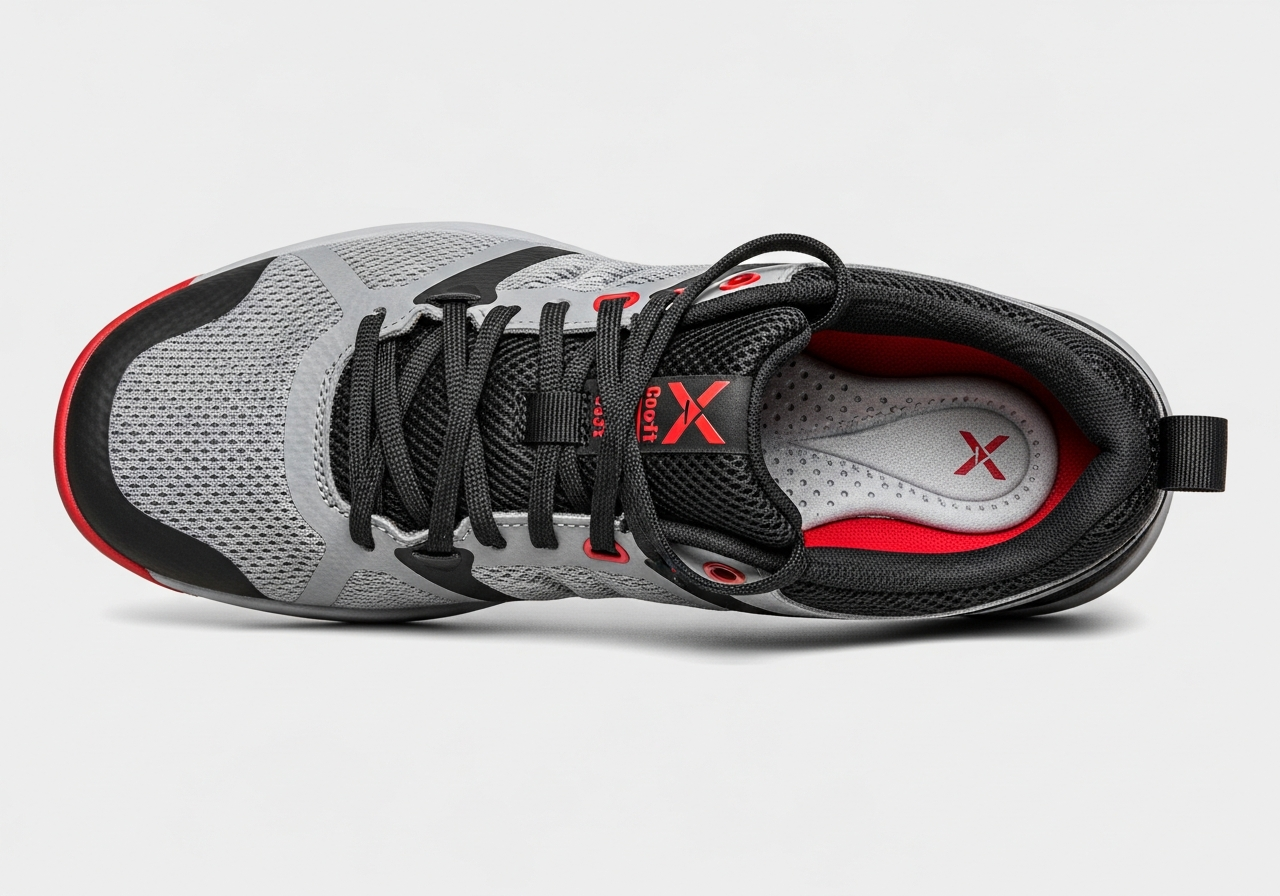
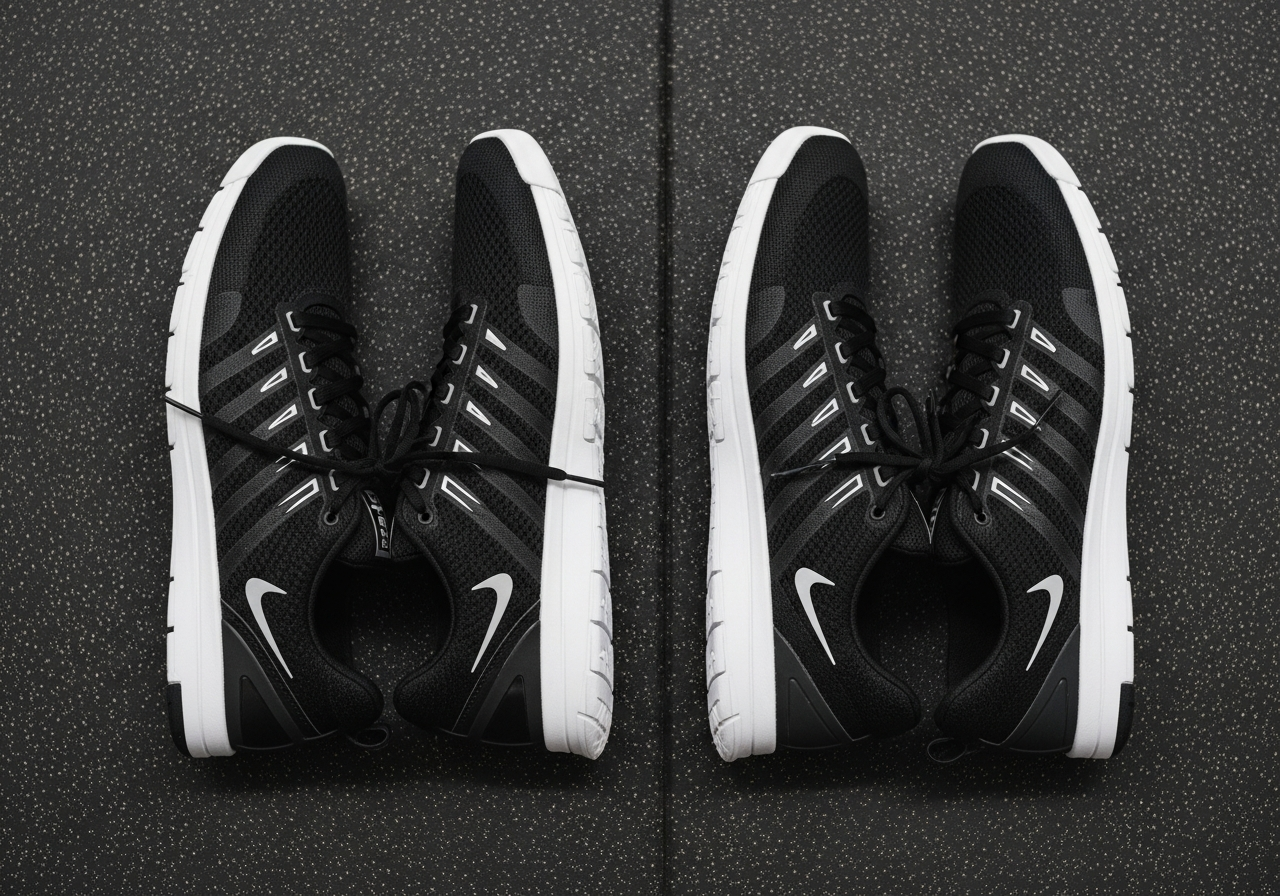
Wide feet and CrossFit training shoes are one of the sport's most frustrating compatibility problems. The majority of training shoes are designed for medium-width feet, and the options that supposedly accommodate width often just go up in size — which fixes width but creates length and heel problems.
The best crossfit shoes wide feet community has grown significantly as CrossFit has expanded from its garage gym origins to a mainstream fitness activity. Athletes who spent years being told to "just buy a half size up" are demanding purpose-built solutions, and in 2026 there are genuinely excellent options.
This guide covers the best wide crossfit shoes options tested specifically on athletes with feet that require E (wide) or EE (extra wide) sizing.
The Wide Foot Problem in CrossFit Shoes
Standard training shoes are built on a D-width last (medium). Athletes with wider feet experience:
- ▸Toe box pinching that causes blisters, black toenails, and numbness during longer workouts
- ▸Lateral pressure that affects proprioception and stability during squats
- ▸Early upper failure as wide feet stress shoe construction beyond its design parameters
- ▸Compensation patterns — athletes unconsciously adjust their movement to accommodate the discomfort, creating mechanical issues that show up in the shoulders, hips, and knees
The solution is not always buying wider. It's finding shoes designed with wider lasts OR with forefoot geometry that accommodates natural toe splay even in standard-width models.
What to Look For
Forefoot width: The critical measurement. A shoe can be narrow in the heel (which is fine for most feet) but needs adequate volume from the ball of the foot forward.
Upper material stiffness: Stiff uppers fight wide feet. Look for flexible, engineered mesh or knit uppers that conform to foot shape rather than forcing the foot to conform to the shoe.
Toe box height: Often overlooked. Wide feet also tend to be taller across the toes. Shallow toe boxes cause jamming even if the width is adequate.
Stretch materials: Some shoes use stretch zones in the forefoot that accommodate width without the rest of the shoe being oversized.
Our Top Picks
1. NOBULL Trainer+ — Best Structural Width
The NOBULL Trainer+ uses a last that runs genuinely wider than the CrossFit shoe industry standard. This is not a D-width shoe with a soft upper that stretches — it's actually built wider.
Why it works for wide feet:
The SuperFabric upper, while less flexible than engineered mesh, doesn't have the stretch that accommodates width in the short term but loses structure over time. The NOBULL starts wider and stays wider — the fit day 1 is the fit day 200.
The toe box height in the Trainer+ is also above average — important for athletes whose wide feet come with taller toe architecture. The combination of genuine width and toe box height makes the NOBULL the most reliably comfortable option for wide-footed athletes across the workout spectrum.
One caveat: The NOBULL Trainer+ comes in standard sizing and the width is consistent across sizes. Athletes with very wide feet (EE+) may still find it insufficient. In that case, the New Balance Minimus Tr (which offers explicit wide sizing) is the better choice.
Best for: Wide-footed athletes who want the durability and versatility of the NOBULL without the narrow toe box of competitors.
Price: ~$139
Where to buy: nobullproject.com
2. New Balance Minimus Tr — Best for Truly Wide Feet
New Balance builds their entire brand identity on fit diversity — they offer more width options across more shoe models than any other athletic brand. The Minimus Tr is available in 2E (wide) and 4E (extra wide) options in addition to standard D width, making it the only major CrossFit training shoe with explicit wide sizing.
Why it's exceptional for wide feet:
The wide and extra-wide versions of the Minimus Tr use proper wide lasts, not just D-width shoes with more material. The result is a shoe where wide-footed athletes get the correct heel-to-ball relationship, proper arch placement, and appropriate toe box volume — all the structural elements that affect performance, not just comfort.
The minimal construction (4mm drop, minimal stack height) means there's less shoe between the athlete and the floor, which improves proprioception and makes the natural foot shape more relevant. Wide-footed athletes often find minimalist shoes better than cushioned options because less shoe material means less pinching.
The trade-off: The minimalist construction requires foot strength to be fully leveraged. Athletes who are new to minimalist footwear should transition gradually — a few sessions per week initially, building over 4-6 weeks.
Best for: Athletes with genuinely wide feet (2E or 4E) who need certified wide sizing, not just a shoe that's marketed as wide-friendly.
Price: ~$110-$120 (wide versions may cost slightly more)
Where to buy: newbalance.com
3. Reebok Nano X5 — Best Traditional Option
The Nano X5 is the widest major-brand CrossFit shoe in standard sizing. Reebok's last for the Nano series has historically been built on the wider side of the D spectrum, and the X5 continues this tradition.
Why wide-footed athletes love the Nano:
The Flexweave upper in the forefoot stretches and adapts to foot shape better than rigid mesh constructions. It doesn't stretch to the point of losing support, but it has enough give to accommodate feet that are slightly wider than a D last without creating the pressure points that stiffer uppers cause.
The toe box volume in the Nano X5 is among the highest in the CrossFit shoe category — both wider and taller than most competitors, giving wide feet with higher toe profiles the space they need.
The limitation for very wide feet: The Nano X5 accommodates wide-ish feet in standard D sizing well. For athletes who genuinely require 2E or wider sizing, the Nano's lack of explicit wide sizing means you're still in a D-width shoe — just a more forgiving one. New Balance's explicit wide sizing is a more reliable solution at that level.
Best for: Athletes whose feet are on the wider end of standard, not athletes who require true wide sizing.
Price: ~$130
Where to buy: reebok.com/nano-x5
Inov-8 F-Lite Series — Widest Toe Box in CrossFit
Inov-8's training and trail running shoes are well-known in the wide-foot community for their anatomically wide toe boxes. The F-Lite and F-Train series use toe box designs that allow natural toe splay — the spreading of toes that human feet are designed to do but most athletic shoes prevent.
The natural toe splay benefit is real: better balance, more stable squats, and less reliance on shoe structure for lateral stability. But Inov-8 training shoes don't have the dedicated CrossFit features (rope climb reinforcement, lifting stability) that the Nano and NOBULL provide. They're best for athletes whose training mixes CrossFit with running or hiking.
Where to buy: inov-8.com | ~$130-$145
Sizing Strategies for Wide-Footed Athletes
Always measure both feet: Most people have one foot slightly wider than the other. Fit to the wider foot.
Measure in the afternoon: Feet swell throughout the day, and after training they're at their widest. Afternoon measurements reflect training volume better.
The thumb width test: With the shoe on, there should be approximately one thumb's width between your longest toe and the front of the shoe. For wide-footed athletes, this test often needs to be done at both the length AND width axes.
Lacing techniques for wide feet:
- ▸Skip eyelets in the forefoot to reduce upper tension across the wide part of the foot
- ▸Use parallel lacing (straight across) instead of standard cross lacing for more forefoot volume
- ▸Loosen the first 2-3 eyelets from the toe to allow natural splay in dynamic movements
Common Mistakes Wide-Footed Athletes Make
Buying shoes that "almost fit": If the shoe isn't comfortable in the store after 5 minutes, it won't become comfortable after 500 hours. Wide-footed athletes often accept discomfort as inevitable — don't.
Going up a size instead of going wide: This fixes width but creates length problems, heel slippage, and altered mechanics. A properly wide shoe in the correct length is a different and better solution.
Ignoring insole replacement: Most athletic shoe insoles are thin and width-neutral. A custom or aftermarket wide-format insole can improve the fit of borderline shoes. Worth investigating before replacing an otherwise good pair.
Care Notes
Wide-footed athletes put more stress on shoe construction than average — the upper sees more stretch, the outsole edges see more wear. Check upper seams monthly and replace shoes at the first sign of upper delamination or structural failure, not just when the midsole feels flat.
Final Verdict
Best Structural Width: NOBULL Trainer+ — genuinely wider construction, not just a soft upper that accommodates width temporarily.
Best for True Wide Sizing: New Balance Minimus Tr (2E/4E) — the only major option with certified wide sizing in a CrossFit-appropriate shoe.
Best Mainstream Option: Reebok Nano X5 — the widest standard-sizing CrossFit shoe that handles everything from lifting to MetCon.
Wide feet are not a CrossFit handicap. The right shoe makes them an advantage — more stable platform, better squat positioning, more natural force transfer. Stop wearing shoes that don't fit and start training to your foot's actual potential.
More from BoxJunkies
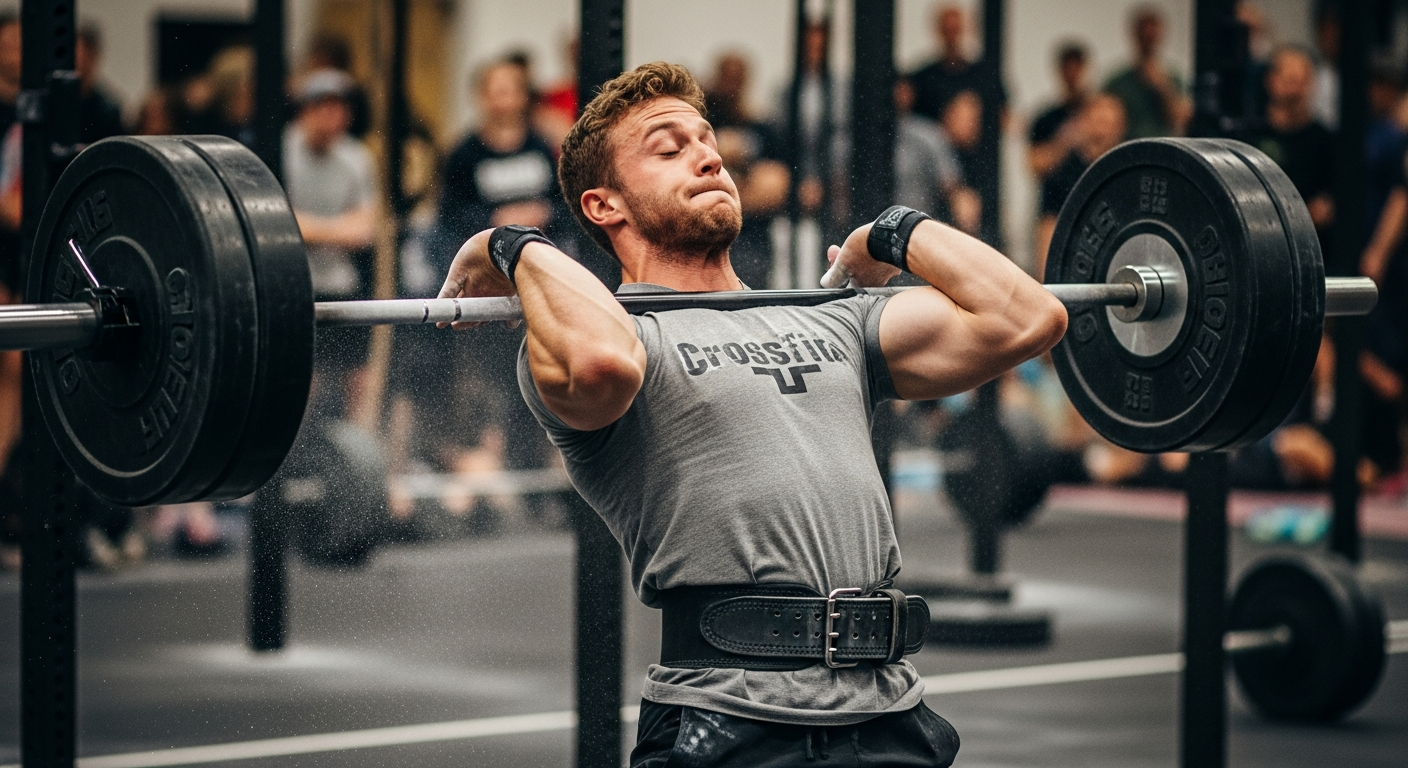
Best Lifting Belt for CrossFit 2026: Support That Moves With You
A good lifting belt should become invisible in the middle of a heavy squat or clean. We tested the top CrossFit-compatible lifting belts to find the ones that actually disappear when you need them to.
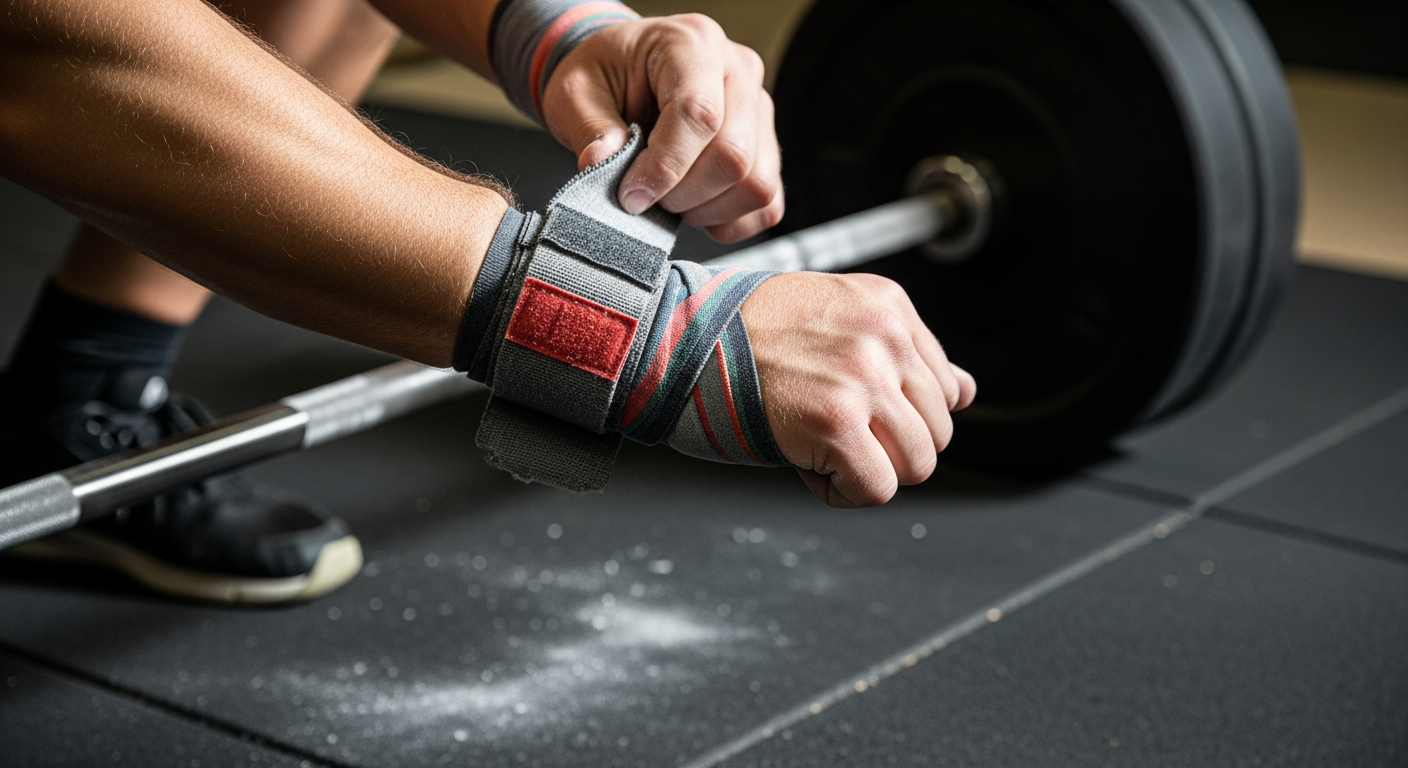
Best Wrist Wraps for CrossFit 2026: Protect Your Lifts Without Losing Wrist Mobility
Wrist pain is the silent CrossFit career-ender. The right wrist wraps keep you training through heavy pressing cycles and overhead work without sacrificing mobility. Here's our 2026 guide.
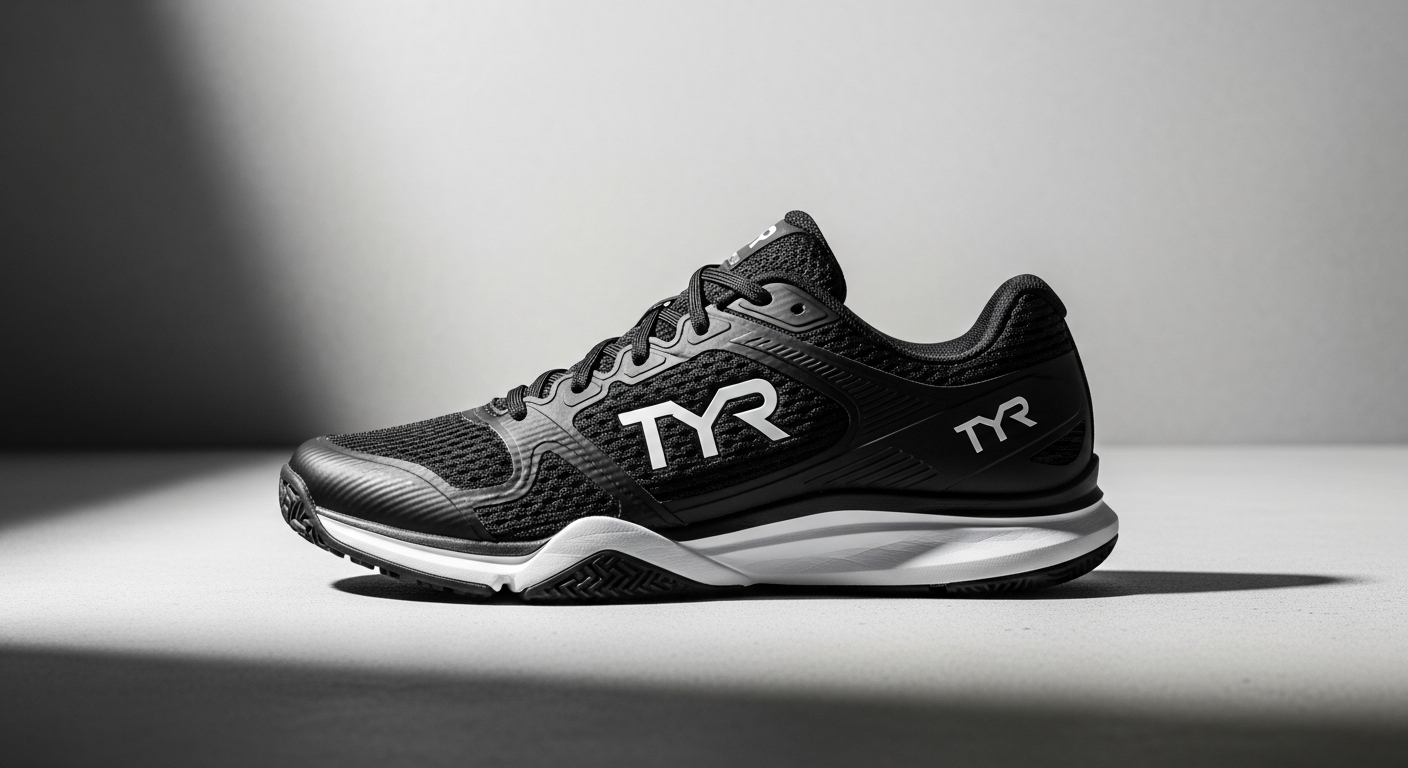
TYR CXT-3 Trainer Review: The Underdog CrossFit Shoe That Deserves Your Attention
TYR is known for swimwear. Their CXT-3 training shoe is trying to change that. After 6 weeks of daily CrossFit use, here's whether it's worth taking the leap on an unknown brand.