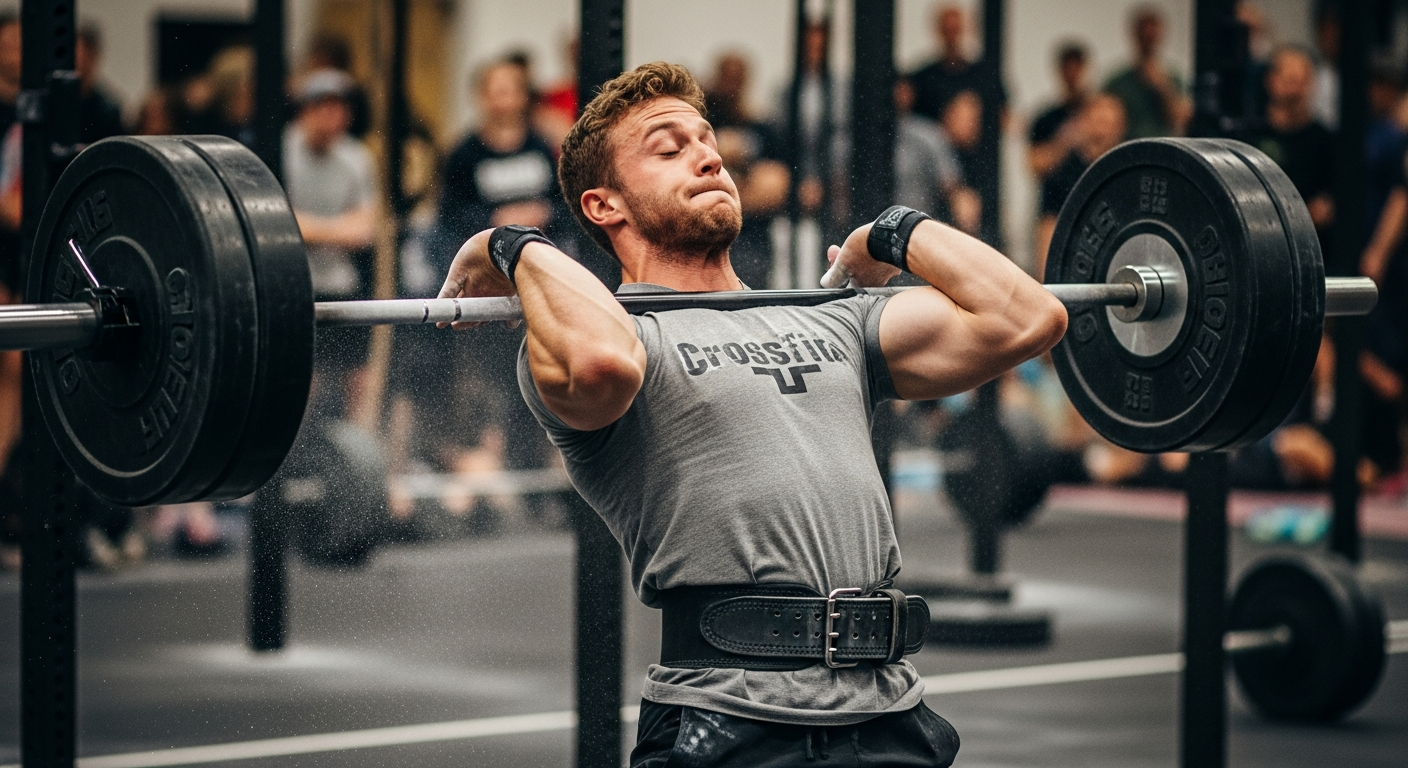
Best Lifting Belt for CrossFit 2026: Support That Moves With You
A good lifting belt should become invisible in the middle of a heavy squat or clean. We tested the top CrossFit-compatible lifting belts to find the ones that actually disappear when you need them to.
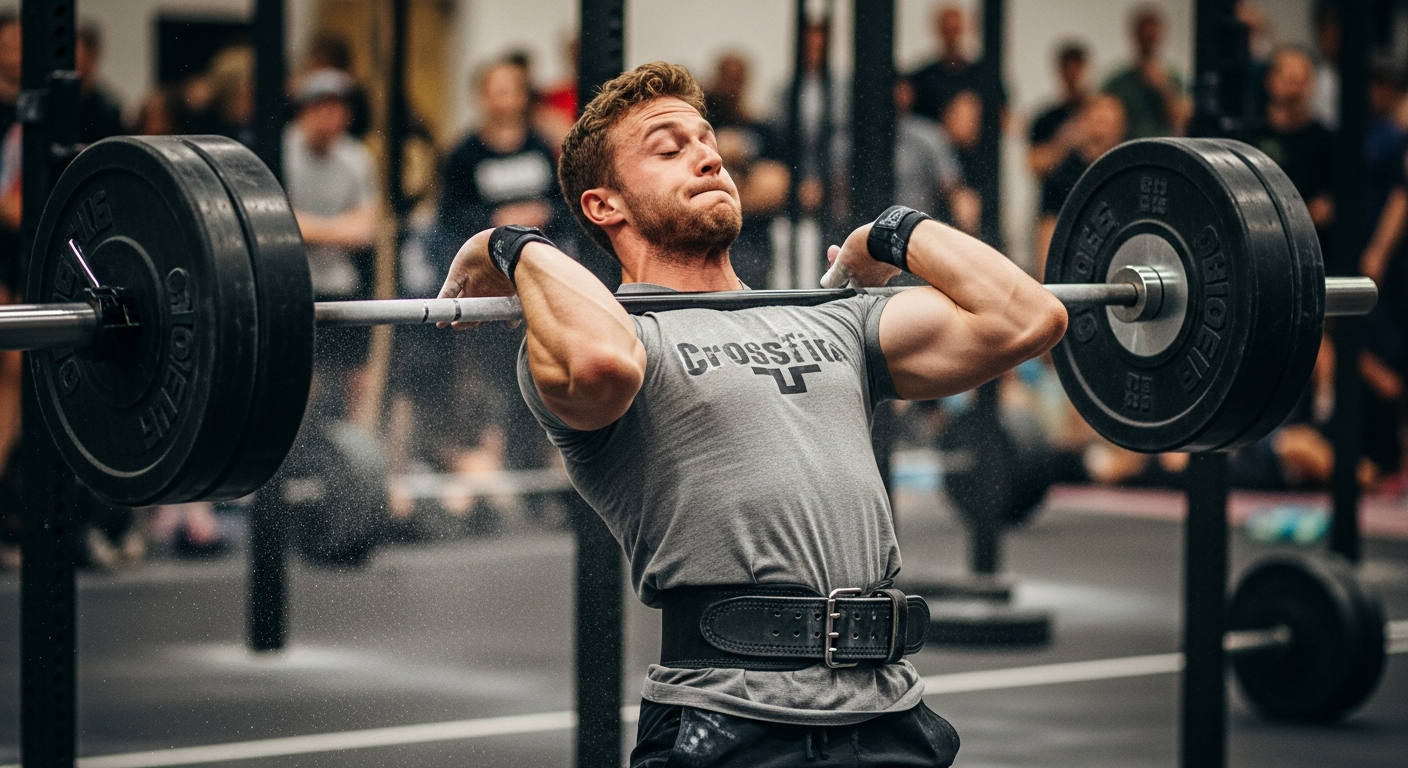
The best lifting belt for CrossFit is not the same as the best lifting belt for powerlifting. This distinction matters more than most gear guides acknowledge, and getting it wrong means either leaving support on the table or wearing a rigid leather brick that makes your cleans feel like wrestling a mattress.
Crossfit weightlifting belt requirements are unique: the belt needs to support heavy squats and deadlifts, stay out of the way during Olympic lifting, cinch and release quickly for mixed-implement WODs, and survive the general chaos of CrossFit training without cracking, stretching, or failing at critical moments.
We tested five of the most recommended options across a mix of CrossFit athletes ranging from intermediate to competition level. Here's the breakdown.
CrossFit Belt Requirements: What's Different
In powerlifting, you want maximum support and you'll accept any rigidity penalty because you're only squatting. In CrossFit, you need support to be more selective:
Stiffness trade-offs:
- ▸Too stiff = restricts hip flexion during cleans, jerks, and front squats
- ▸Too flexible = doesn't provide enough support for heavy back squats and deadlifts
- ▸The sweet spot = 10mm leather or quality nylon/velcro for mixed training
Quick release:
- ▸WODs with multiple implements (barbell + rope + box + pull-up) require belts you can put on and take off fast
- ▸Prong buckles are slower than lever buckles are slower than velcro
- ▸For CrossFit specifically, velcro/self-locking designs often win on practicality despite slightly lower max support
Sizing for Olympic lifting:
- ▸Olympic lifting movements require hip flexion past 90 degrees
- ▸Wider belts (4 inch) can dig into the hip crease during cleans and snatches
- ▸Tapered designs (3 inch front, 4 inch back) solve this problem
Our Top Picks
1. Rogue Ohio Lifting Belt — Best Overall for CrossFit
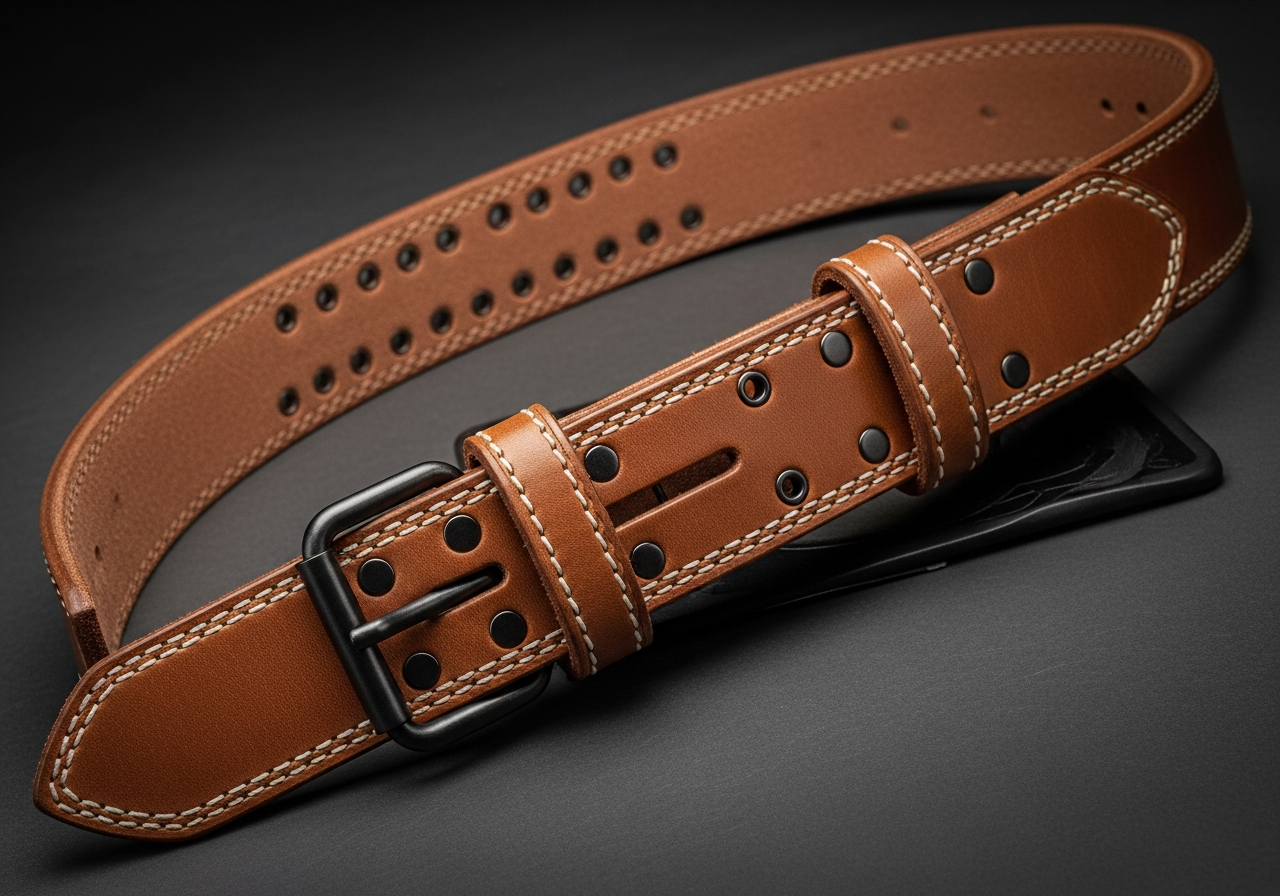
Rogue's Ohio Belt has earned its reputation in the CrossFit community through sheer consistency and quality. The 10mm single-prong design in vegetable-tanned leather is the balance point between pure powerlifting stiffness and the flexibility that CrossFit athletes need.
Why it dominates:
The vegetable-tanned leather breaks in over 4-8 weeks of use, conforming to your torso shape rather than your torso conforming to it. New athletes sometimes find the break-in period frustrating, but post-break-in, the Ohio Belt fits like it was custom-made for you because, in a functional sense, it was.
The 4-inch uniform width is a CrossFit standard choice — wide enough for significant support, narrow enough not to dig into the hip crease during moderate-weight Olympic lifting. For athletes doing high-percentage cleans and snatches regularly, the tapered option is worth considering.
The single prong buckle is not the fastest closure in the world but it's also not the frustration that multi-prong powerlifting belts create. It strikes the right balance for CrossFit.
Best for: Athletes who want a belt that will last a decade and improves with use. The "buy once, cry once" option.
Specs: 10mm genuine leather, 4-inch width, single prong buckle, sizes XS-3XL
Price: ~$110-$130
Where to buy: roguefitness.com/ohio-belt
2. SBD Belt — The Professional's Choice
The SBD Belt costs more than most CrossFitters are willing to spend on a single piece of equipment, and the performance justifies the price for athletes who train at high enough intensity to notice the difference.
What makes it worth the premium:
SBD's leather quality and stitching construction are in a different tier from competitors. The belt won't deform under load, won't crack after years of use, and maintains consistent support characteristics in a way that cheaper leather belts don't. The IPF-approved competition standard means you can use this belt in sanctioned powerlifting AND at CrossFit competitions — one investment, multiple uses.
The lever buckle system is faster than the Rogue prong and provides a precise, consistent fit every time. Once you've set your lever position, every session you get the exact same belt tightness without guessing.
The honest trade-off: At $160-$200+, the SBD is a lot of belt. For athletes who train twice a day, compete regularly, and view equipment as investment rather than expense, it's objectively the best belt available. For athletes just starting to incorporate belts into their training, the Rogue Ohio delivers 80% of the SBD performance at a significantly lower price.
Where to buy: sbdapparel.com | ~$160-$200
3. Element 26 Self-Locking Belt — Best for CrossFit-Specific WODs
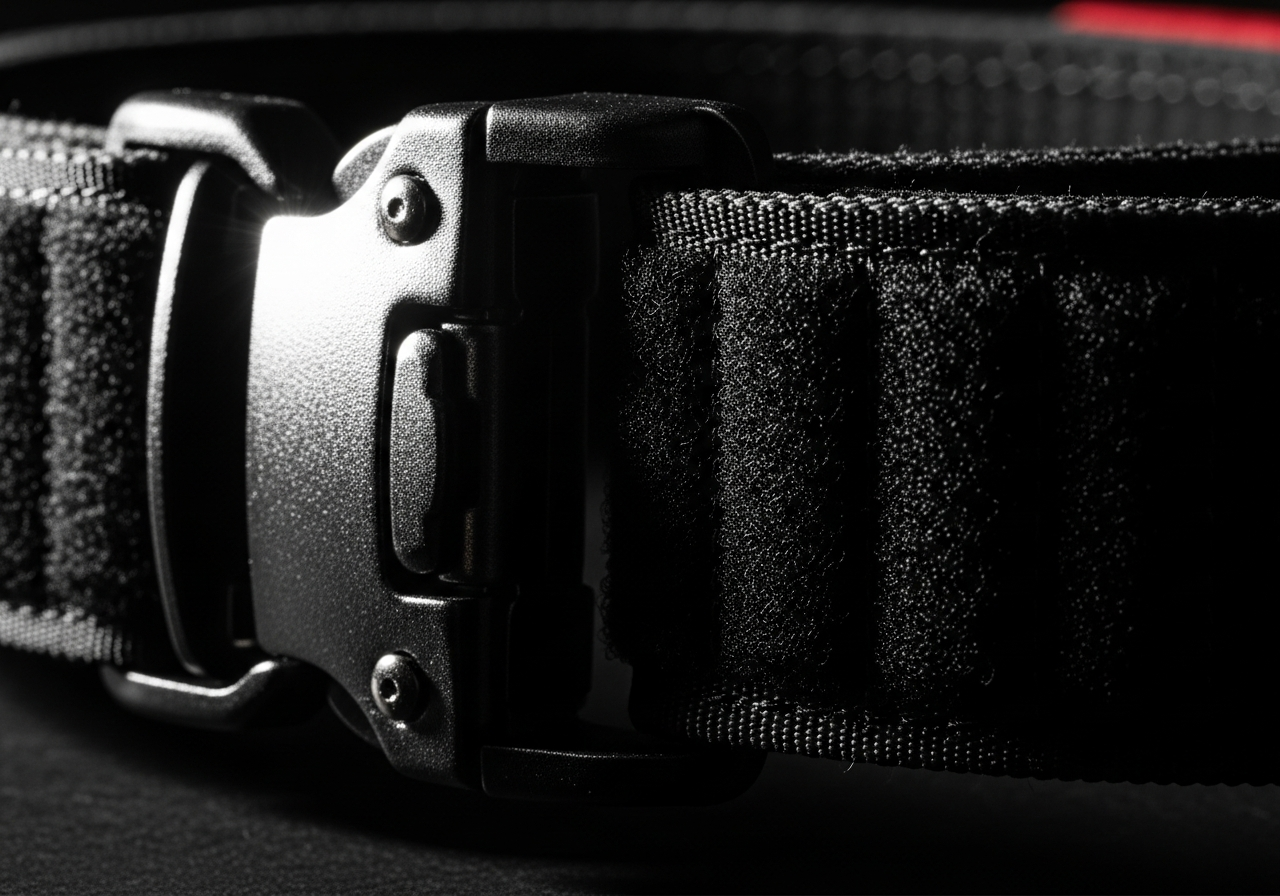
The Element 26 is designed by CrossFitters for CrossFit, and it shows in every design decision. The self-locking velcro closure is the fastest on-off mechanism available — faster than lever, far faster than prong. For WODs that require putting on and removing a belt multiple times (common in competition programming), the Element 26 wins by a significant margin.
The neoprene-backed design is more flexible than leather while still providing meaningful intra-abdominal pressure support for moderate loads. Athletes testing the Element 26 noted the initial difference from leather as slightly less "locked in" — the support is real but feels less rigid.
Where it's exceptional:
- ▸Mixed WODs with barbell and gymnastics work
- ▸Athletes new to belts who want to learn belt breathing mechanics without fighting stiff leather
- ▸Travel and competition bags where weight matters (significantly lighter than leather)
Where it falls short: For true maximum effort lifts (95%+ 1RM), the leather options provide better support. The Element 26 shines at 70-90% training loads, which is where most CrossFit athletes live anyway.
Where to buy: element26.co | ~$70-$90
Inzer Forever Belt — The Lifetime Guarantee Option
Inzer backs their Forever Belt with a genuine lifetime guarantee — if it fails, they replace it. On a product they claim never fails, this is a strong statement. In practice, the Forever Belt is one of the most durable lifting belts ever made. The 10mm single-prong design in their proprietary leather compound is stiffer than the Rogue Ohio (more like a powerlifting belt), which makes it less ideal for Olympic lifting movements but exceptional for pure squatting and deadlift work.
Best for: Athletes who primarily belt up for squats and deadlifts and do minimal Olympic lifting.
Where to buy: inzer.com | ~$95-$115
Dark Iron Fitness Belt — Best Budget Option
Dark Iron Fitness produces a genuine leather belt at a price point that makes it accessible for athletes just starting to use belts. The construction is not in the same league as Rogue or SBD, but it's real leather (not synthetic), real buckle hardware, and provides real support.
The break-in period is longer than premium belts and the leather quality won't age as gracefully, but for athletes who aren't sure if belt training is for them and don't want to spend $130 to find out, it's a reasonable starting point.
Where to buy: darkironfitnessstore.com | ~$45-$60
How to Use a Lifting Belt Correctly
Most athletes who use lifting belts use them wrong. The belt does not support your spine by squeezing it — it supports you by giving you something to brace against.
The correct technique:
- ▸Position belt around your natural waist (belly button level), not your hips
- ▸Tighten until snug but not breath-restricting
- ▸Before the lift: take a big breath into your belly, pushing it OUT against the belt (360-degree expansion)
- ▸Maintain this intra-abdominal pressure throughout the movement
- ▸Exhale and reset between reps for submaximal training; for max effort, hold through the entire rep
When to wear a belt:
- ▸Heavy squats (85%+ 1RM)
- ▸Heavy deadlifts (85%+ 1RM)
- ▸Heavy front squats and cleans at near-max percentages
- ▸Any lift where form breakdown is a risk
When NOT to wear a belt:
- ▸Warm-up sets (you need to develop core strength without the belt crutch)
- ▸Light technique work (same reason)
- ▸Every single WOD "just in case" — this prevents proper core development
Care for Leather Belts
Quality leather belts require care:
- ▸After use: Wipe down the inside with a damp cloth to remove sweat
- ▸Monthly: Condition with leather conditioner to prevent cracking
- ▸Break-in method: Some athletes accelerate break-in by slightly dampening the leather and bending it repeatedly before first use — this works but doesn't replace the gradual body-conforming that comes from actual training
- ▸Storage: Hang or store flat — never rolled tight for extended periods
Final Verdict
Best Overall: Rogue Ohio Belt — the CrossFit standard for good reason. Quality that improves with age, support that scales with experience.
Best Premium: SBD Belt — for athletes who compete and refuse to compromise on equipment.
Best for Mixed WODs: Element 26 Self-Locking — when fast on/off matters more than maximum support.
A good lifting belt worn correctly is a training accelerator, not a crutch. Get the right one, learn the breathing mechanics, and your heavy lifting numbers will thank you.
More from BoxJunkies
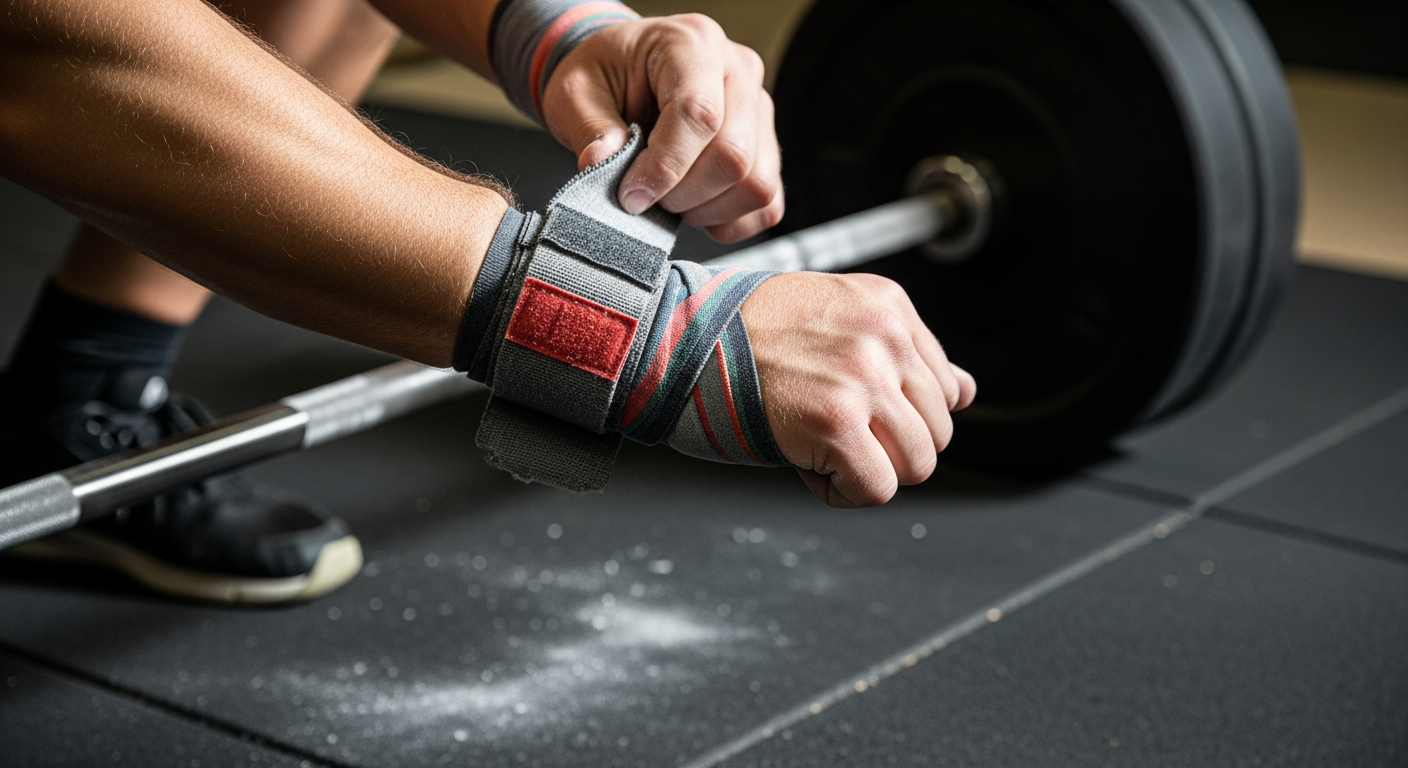
Best Wrist Wraps for CrossFit 2026: Protect Your Lifts Without Losing Wrist Mobility
Wrist pain is the silent CrossFit career-ender. The right wrist wraps keep you training through heavy pressing cycles and overhead work without sacrificing mobility. Here's our 2026 guide.
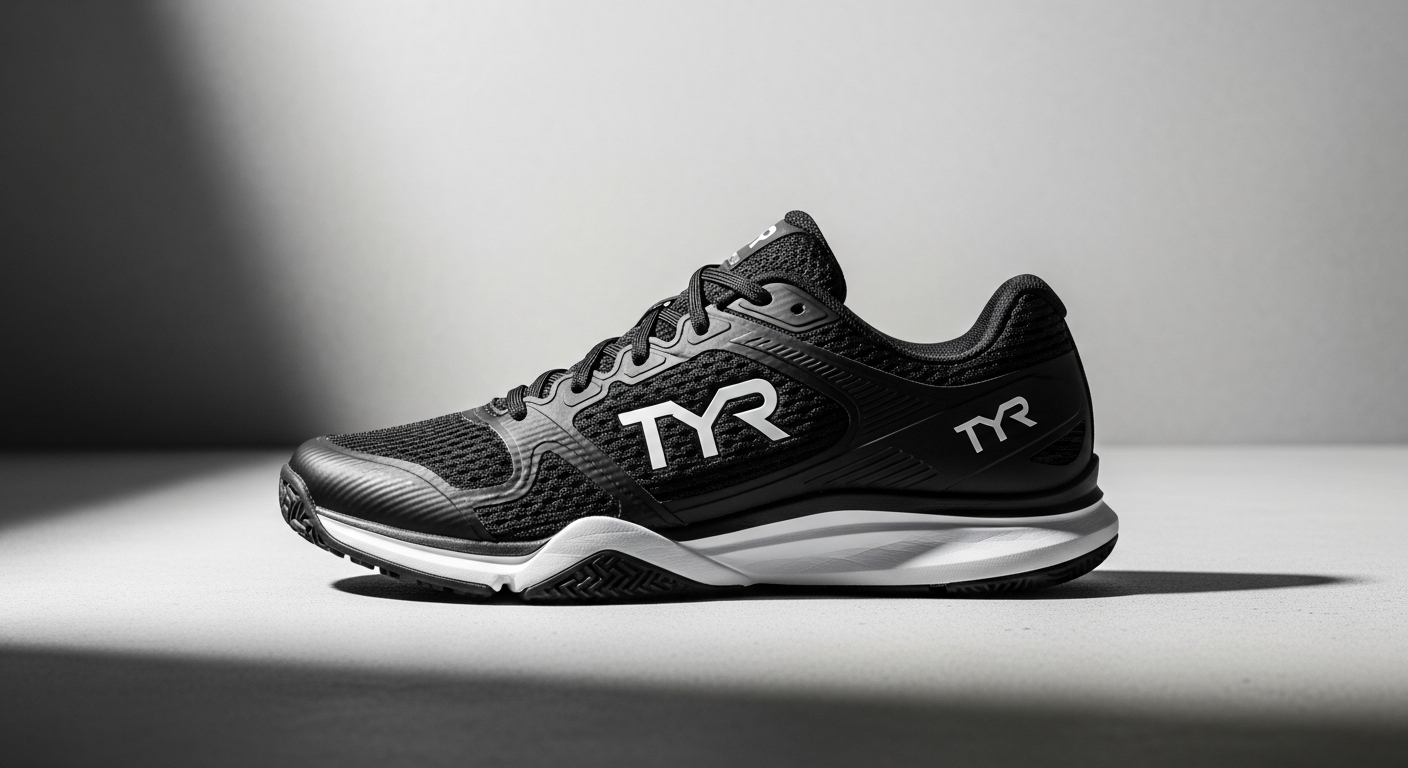
TYR CXT-3 Trainer Review: The Underdog CrossFit Shoe That Deserves Your Attention
TYR is known for swimwear. Their CXT-3 training shoe is trying to change that. After 6 weeks of daily CrossFit use, here's whether it's worth taking the leap on an unknown brand.
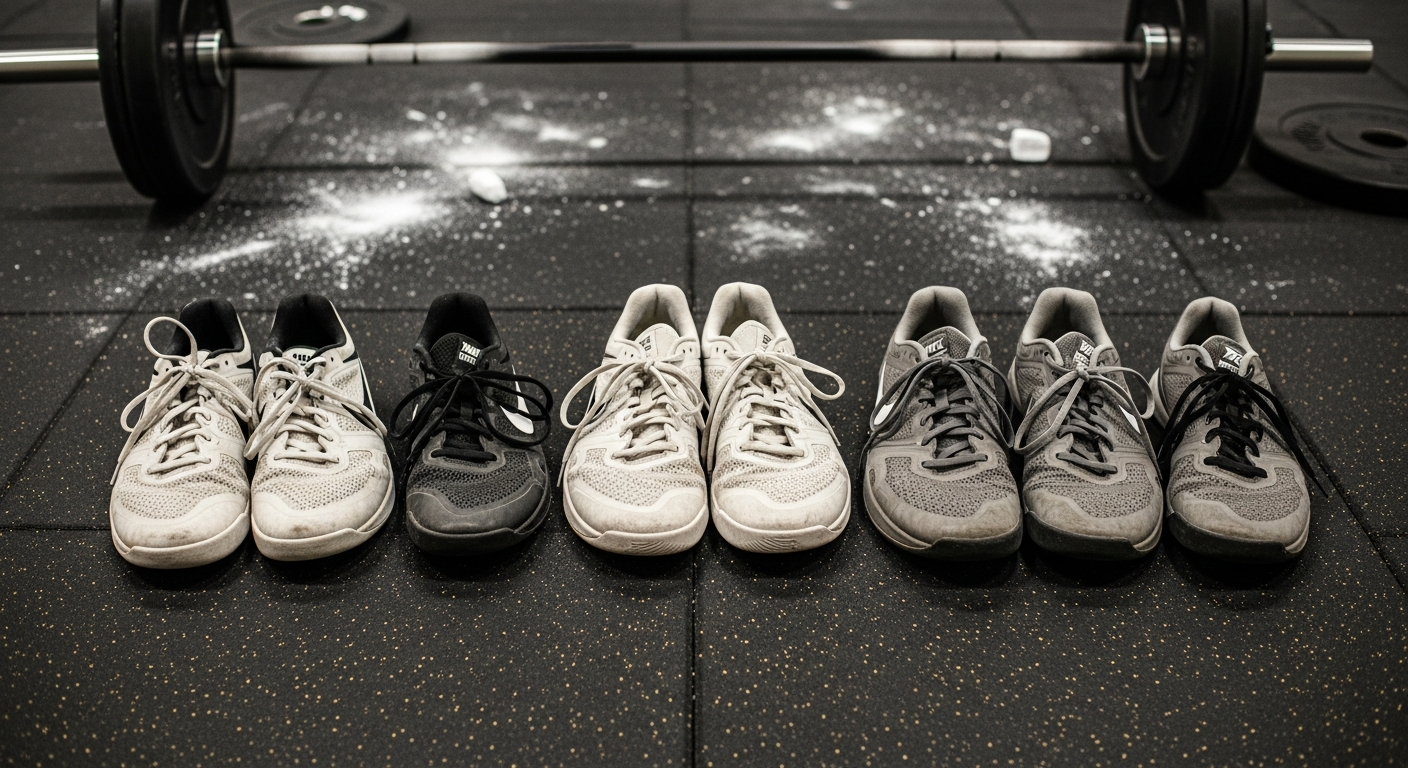
Best CrossFit Shoes for Wide Feet 2026: Stop Suffering in Narrow Shoes
Wide feet in CrossFit shoes shouldn't mean compromising performance. We found the best options for wide-footed athletes who refuse to train in discomfort.