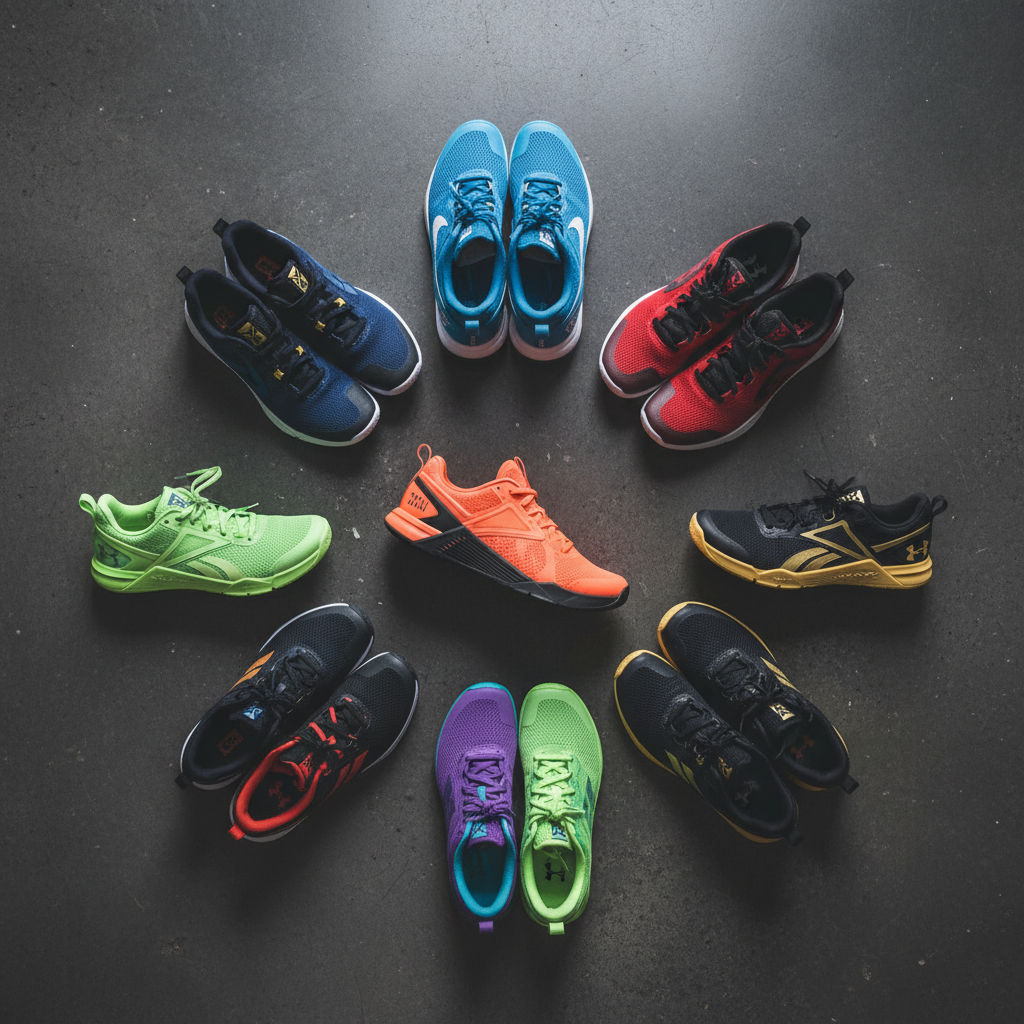
The Best Budget CrossFit Shoes of 2026 — Reviewed
You don't need to spend $200 on training shoes. These picks under £100/$110 perform where it matters — and won't destroy your wallet.
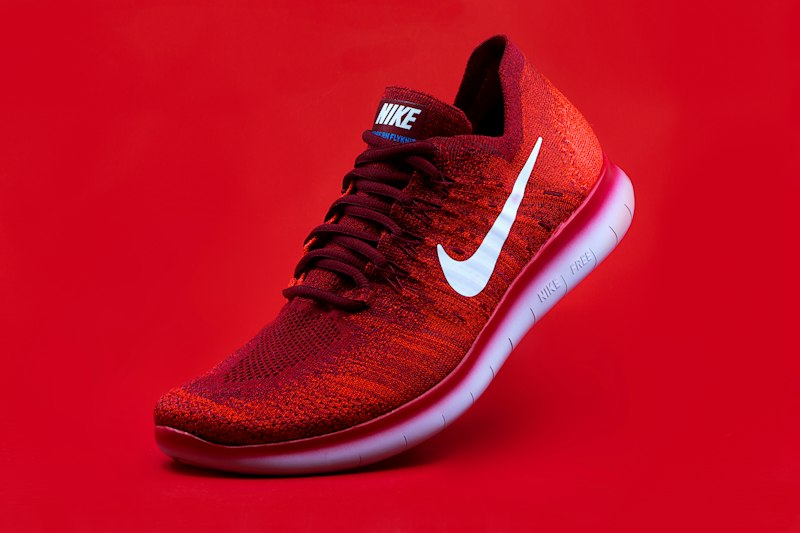
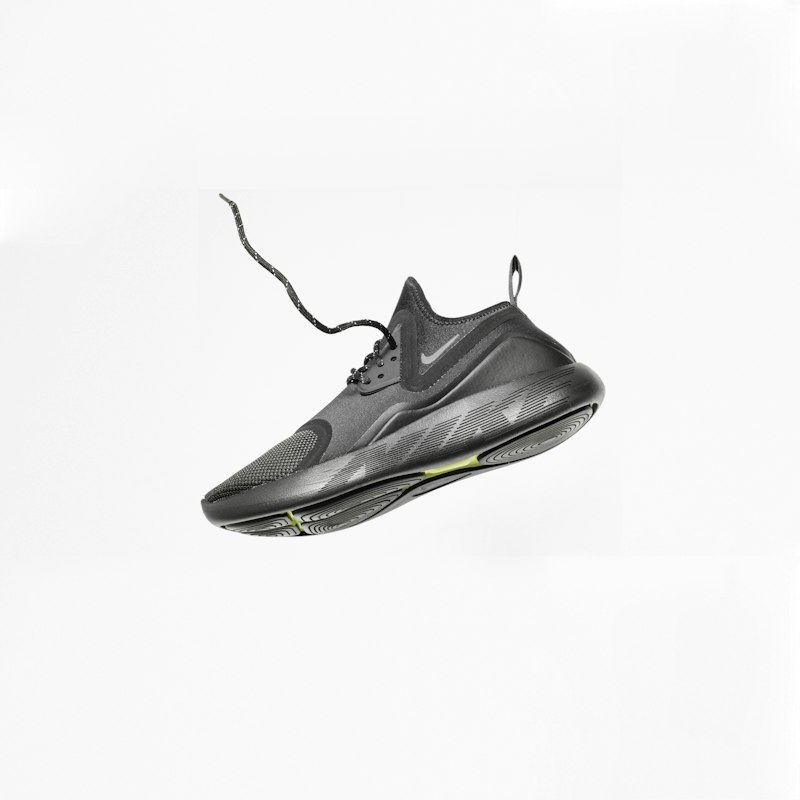
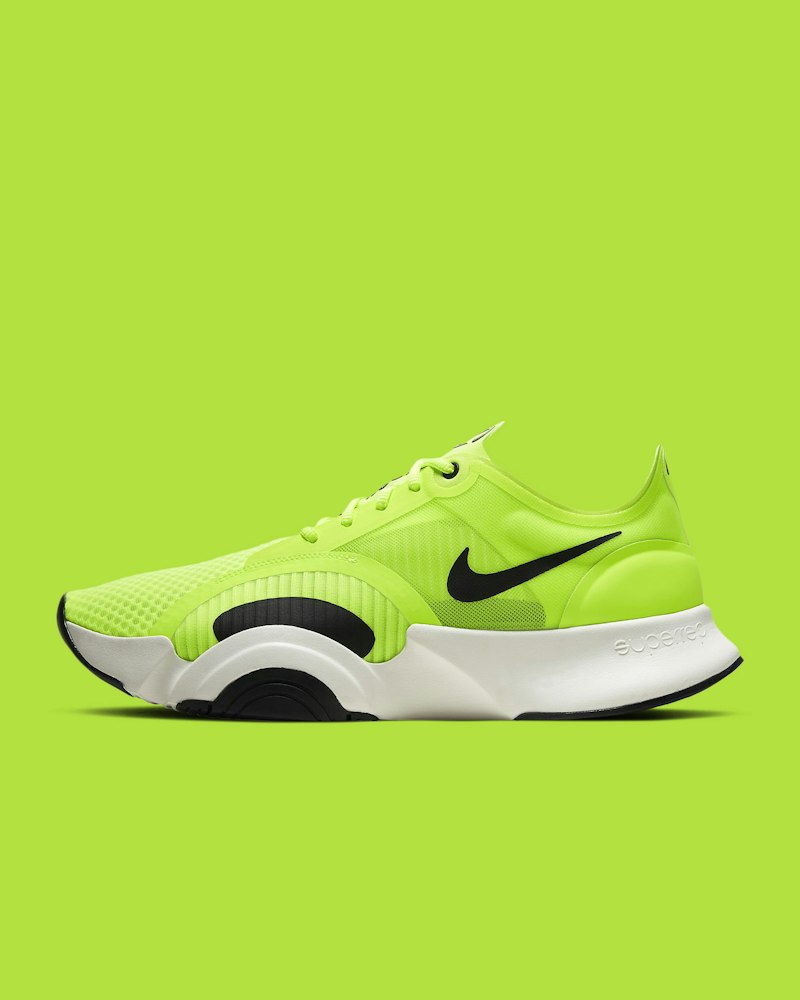
Let's get one thing straight: you don't need $200 shoes to do CrossFit well. The fitness industry has spent years convincing athletes that premium footwear is the difference between a podium finish and a DNF, but the truth is far more nuanced. For the vast majority of CrossFit athletes — from beginners hitting their first WOD to seasoned competitors grinding through Open workouts — a well-chosen budget shoe can handle everything your box throws at you.
The key word is well-chosen. Not every cheap shoe belongs in a CrossFit gym. Running shoes are too soft and unstable for heavy lifts. Basketball shoes are too heavy for double-unders. And those minimalist shoes your mate swears by? They're great until you're doing 150 wall balls and your feet are screaming for cushion.
We've tested, worn, and beaten up dozens of shoes in the under-$100 category to find the ones that genuinely hold up under CrossFit demands. Here are the best budget options for 2026, ranked by overall value.
What Makes a Good CrossFit Shoe?
Before we dive into specific models, it's worth understanding what separates a legitimate CrossFit training shoe from a general-purpose sneaker. The demands of functional fitness are unique — you need a shoe that can handle lifting, running, jumping, climbing, and lateral movement, often within the same hour.
The Non-Negotiable Features
Every CrossFit shoe worth wearing needs these baseline qualities:
- ▸Flat, stable heel: Essential for squats, deadlifts, and Olympic lifts. A shoe with too much heel cushion will pitch you forward under load
- ▸Low heel-to-toe drop (4mm or less): Keeps you grounded and balanced during multi-directional movements
- ▸Firm midsole: Soft, squishy foam is the enemy of stability. You want responsive but not mushy
- ▸Durable outsole: Rope climbs will destroy soft rubber in weeks. Look for textured or reinforced outsoles
- ▸Breathable upper: CrossFit generates serious heat. Mesh panels or engineered knit uppers keep feet from overheating
Key takeaway: The perfect CrossFit shoe doesn't exist — it's always a compromise between stability for lifting and cushion for running. Budget shoes that nail this balance are genuine gems.
Where Budget Shoes Cut Corners (And Where It Matters)
Cheaper shoes typically save money on materials and construction. Here's what to watch for:
- ▸Upper durability: Budget shoes may use thinner mesh that wears faster, especially during rope climbs
- ▸Midsole longevity: Cheaper foam compounds can compress and lose support after 4-6 months of heavy use
- ▸Outsole rubber: Lower-grade rubber may wear smooth more quickly on concrete gym floors
- ▸Fit and finish: Glue lines, stitching quality, and lace durability tend to be where budget shoes show their price point
The good news? For most athletes training 3-5 times per week, a quality budget shoe will last 6-12 months before needing replacement. That's acceptable when you're paying half the price.
The Best Budget CrossFit Shoes of 2026
1. Reebok Nano X5 (Previous Season Colorways) — $85-$95
The Reebok Nano line has been the gold standard in CrossFit footwear for over a decade, and last year's Nano X5 is now available in discontinued colorways at significant discounts. This is, hands down, the best value proposition in CrossFit shoes right now.
- ▸Heel drop: 4mm
- ▸Weight: 312g (men's size 10)
- ▸Midsole: Floatride Energy foam with TPU heel clip
- ▸Outsole: High-abrasion rubber with rope-climb zone
- ▸Best for: All-around CrossFit performance, especially if your programming is lift-heavy
The X5 offers a wide, stable base for squatting and pulling, while the Floatride foam provides enough cushion for short-to-moderate runs. The rope-climb guard on the medial side is genuine protection, not just a marketing gimmick.
Verdict: If you find these under $90, buy two pairs. Seriously.
Key takeaway: Previous-season Nanos are the cheat code of CrossFit footwear. Same shoe, different color, 40% less money.
2. Nike Metcon 9 (Clearance) — $80-$100
Nike's answer to the Nano, the Metcon 9 is now hitting clearance racks as the Metcon 10 takes center stage. The Metcon 9 remains an exceptional training shoe with a wider toe box than previous Metcon generations and a rock-solid heel for lifting.
- ▸Heel drop: 4mm
- ▸Weight: 336g (men's size 10)
- ▸Midsole: Dual-density React foam
- ▸Outsole: Textured rubber with rope-wrap zone
- ▸Best for: Athletes who prioritize lifting and short, explosive workouts
The Metcon 9 runs slightly narrower than the Nano X5, so wide-footed athletes should try before buying or size up half a size. The heel clip is one of the most rigid in any training shoe — excellent for heavy back squats but less forgiving during long runs.
Pros: Elite lifting stability, durable outsole, looks sharp Cons: Less comfortable for runs over 400m, narrow fit for some feet
3. NOBULL Trainer (Past Season) — $90-$100
NOBULL built its brand on minimalism and durability, and their core Trainer remains a surprisingly capable CrossFit shoe — especially when you snag last season's colors at a discount.
- ▸Heel drop: 4mm
- ▸Weight: 320g (men's size 10)
- ▸Midsole: Phylon foam
- ▸Outsole: Lug pattern carbon rubber
- ▸Best for: Athletes who want a versatile trainer that transitions from gym to street
The one-piece SuperFabric upper is nearly indestructible — rope climbs, box jumps, and peg boards won't faze it. The trade-off is breathability: the solid upper runs warm, which can be uncomfortable in hot boxes or during high-volume conditioning pieces.
Pros: Bombproof durability, clean aesthetics, great lateral stability Cons: Runs warm, minimal cushion for running, firmer ride than Nano/Metcon
4. Inov-8 F-Lite G 300 — $85-$95
The Inov-8 F-Lite G 300 is the dark horse of budget CrossFit shoes. British brand Inov-8 has been making functional fitness footwear since before CrossFit was mainstream, and their graphene-infused rubber outsoles are genuinely revolutionary.
- ▸Heel drop: 3mm
- ▸Weight: 300g (men's size 10)
- ▸Midsole: POWERFLOW+ foam
- ▸Outsole: Graphene-enhanced rubber
- ▸Best for: Athletes who include significant running in their programming
The graphene outsole is 50% stronger and 50% more elastic than standard rubber, which translates to exceptional grip and longevity. The lower drop and lighter weight make this the best runner in the budget category, though it sacrifices some heel stability compared to the Nano and Metcon.
Pros: Lightest option, excellent grip, great for running WODs Cons: Less heel stability for maximal lifts, limited colorway options
5. Puma Fuse 3.0 — $70-$85
The most affordable shoe on this list, the Puma Fuse 3.0 punches well above its price point. Puma has steadily improved their training shoe line, and the third generation of the Fuse is a legitimate CrossFit option.
- ▸Heel drop: 4mm
- ▸Weight: 325g (men's size 10)
- ▸Midsole: PROFOAM cushioning
- ▸Outsole: Rubber with flex grooves
- ▸Best for: Beginners or athletes on a tight budget who need a solid all-rounder
The Fuse 3.0 won't win any awards for lifting stability or running performance, but it does everything adequately — which is exactly what you want from a budget shoe. The rubber outsole handles rope climbs without shredding, and the PROFOAM midsole offers enough cushion for short runs.
Pros: Best price in the category, comfortable out of the box, decent durability Cons: Average at everything rather than great at anything, less premium feel
How to Make Budget Shoes Last Longer
Regardless of which shoe you choose, smart maintenance can extend the life of your footwear significantly.
Care and Rotation Tips
- ▸Rotate between two pairs if possible — alternating shoes gives foam time to recover and can double their effective lifespan
- ▸Air dry after every session — remove insoles and open laces to let moisture escape. Never use a dryer
- ▸Clean regularly — a mix of warm water and mild soap with a soft brush removes grime that degrades materials
- ▸Use them only for CrossFit — wearing your training shoes for errands, walking, or other sports accelerates wear in areas that matter for gym performance
- ▸Replace insoles before replacing shoes — a fresh $15-$20 insole can revive a shoe that's lost its cushion
When to Replace Your Shoes
Watch for these signs that your shoes have reached end of life:
- ▸Midsole compression: If the foam feels noticeably flatter or you can feel the ground more than when new
- ▸Heel counter breakdown: The heel should hold your foot securely — if it feels sloppy, support is gone
- ▸Outsole wear: Smooth spots on the outsole mean reduced grip, which is a safety issue during box jumps and rope climbs
- ▸Persistent foot pain: New aches in your feet, knees, or hips can indicate that your shoes have lost their structure
Key takeaway: A $85 shoe replaced every 6 months ($170/year) outperforms a $180 shoe kept for 18 months. Fresh cushion and support trump premium branding every time.
The Bottom Line: Best Value Picks for 2026
If we had to narrow it down to two recommendations:
Best Overall Value
Reebok Nano X5 (previous season) at $85-$95. It's the most complete CrossFit shoe in any price range, and getting it at a discount makes it an absolute steal.
Best Budget Pick
Puma Fuse 3.0 at $70-$85. For athletes who are just getting started or training 2-3 times per week, this shoe delivers solid performance at the lowest price point.
The shoes on your feet matter less than the work you put in wearing them. But choosing smart — finding that sweet spot of stability, durability, and comfort without overpaying — means more money for competition entries, coaching, or that recovery tool you've been eyeing.
Your feet will thank you. Your wallet already is.
More from BoxJunkies
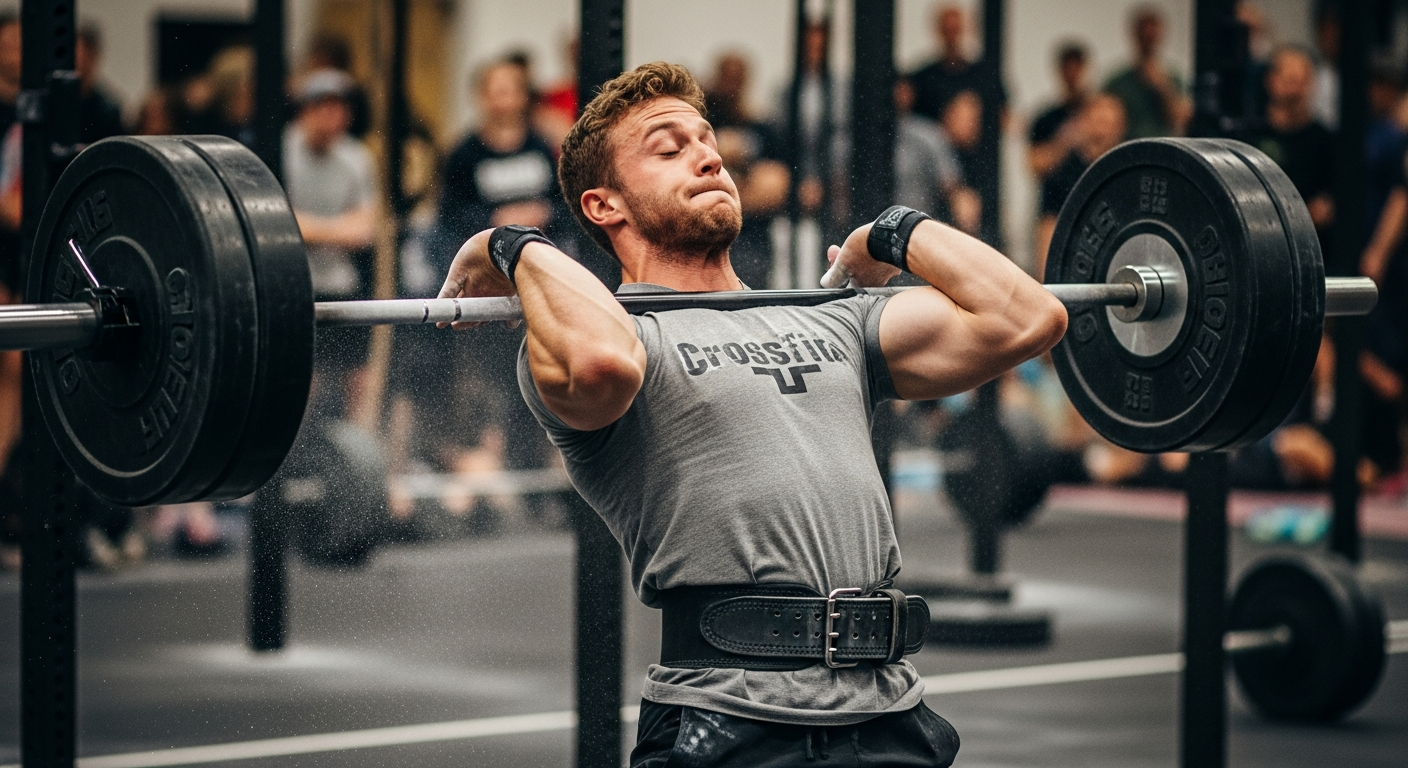
Best Lifting Belt for CrossFit 2026: Support That Moves With You
A good lifting belt should become invisible in the middle of a heavy squat or clean. We tested the top CrossFit-compatible lifting belts to find the ones that actually disappear when you need them to.
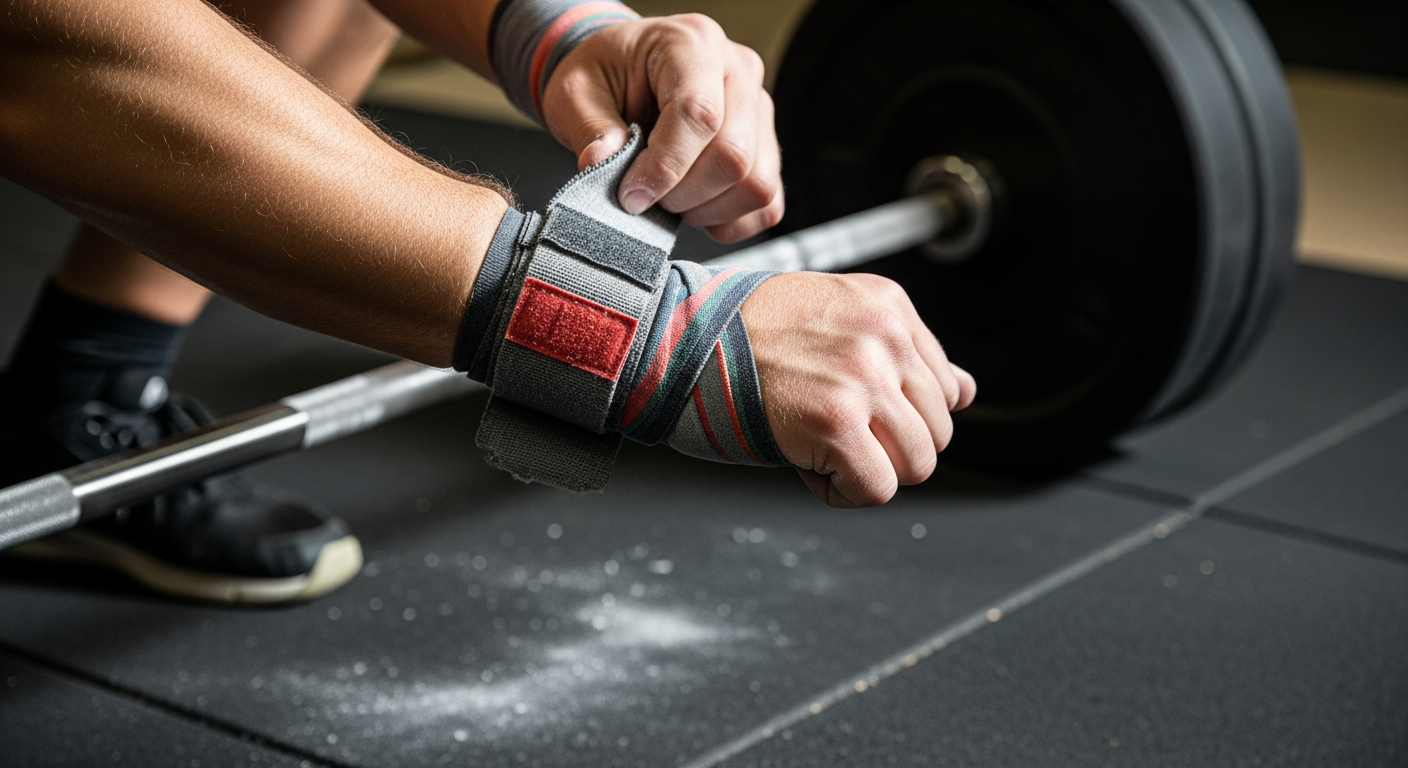
Best Wrist Wraps for CrossFit 2026: Protect Your Lifts Without Losing Wrist Mobility
Wrist pain is the silent CrossFit career-ender. The right wrist wraps keep you training through heavy pressing cycles and overhead work without sacrificing mobility. Here's our 2026 guide.
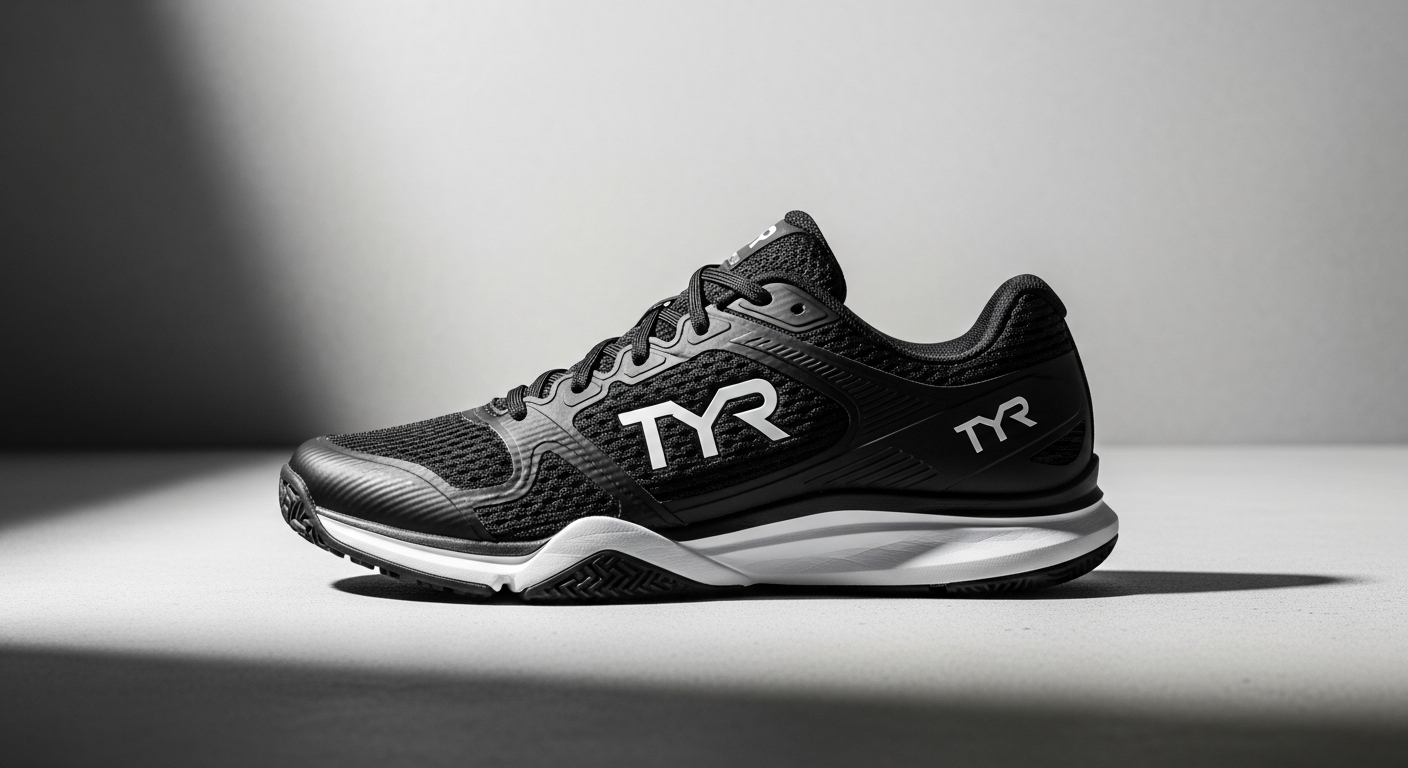
TYR CXT-3 Trainer Review: The Underdog CrossFit Shoe That Deserves Your Attention
TYR is known for swimwear. Their CXT-3 training shoe is trying to change that. After 6 weeks of daily CrossFit use, here's whether it's worth taking the leap on an unknown brand.