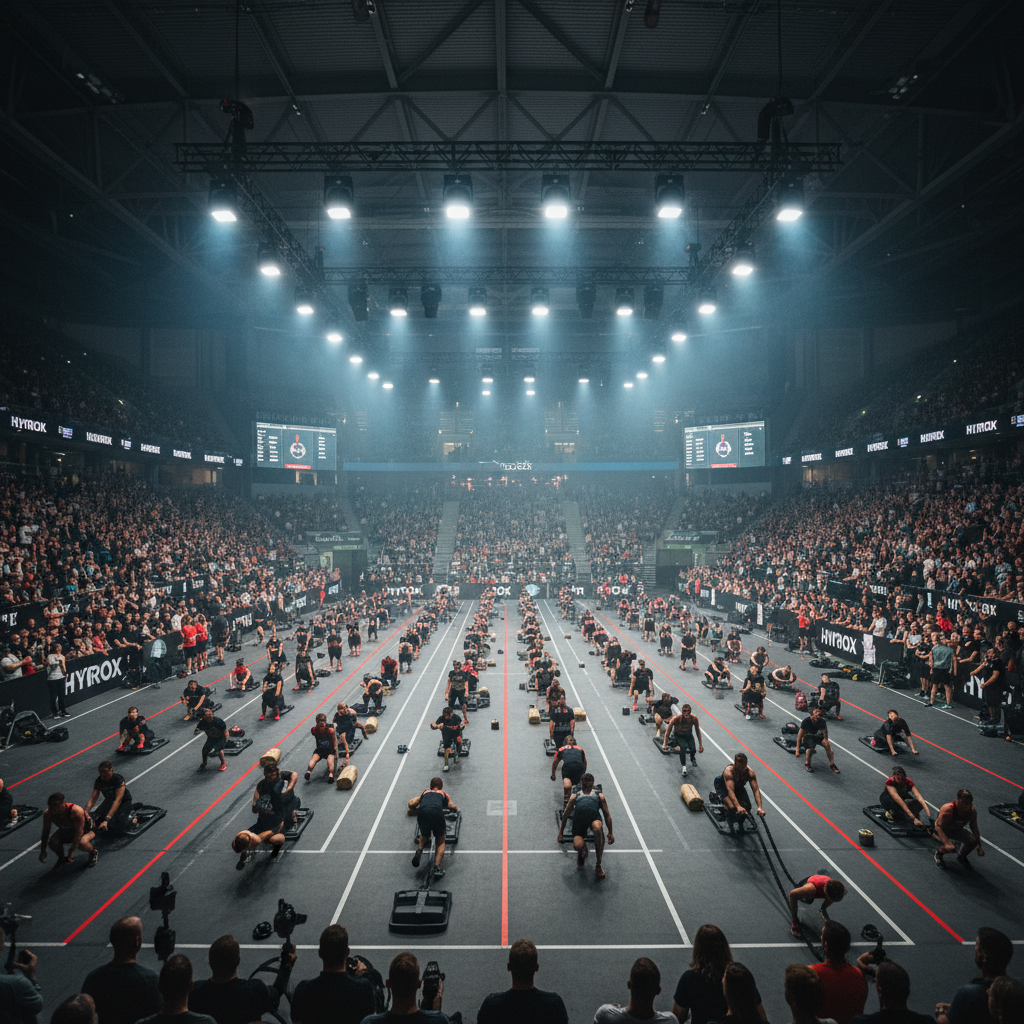
HYROX EMEA Championships London 2026: How It Went Down
London's Olympia hosted the EMEA regional showdown on March 21–22. For European athletes, this was the biggest domestic race of the season.
The ExCeL London shook. Not metaphorically — the floor literally vibrated as thousands of athletes pounded through sled pushes, lunges, and wall balls in the cavernous exhibition halls of London's Docklands. The HYROX EMEA Championships 2026 was the biggest regional championship in the sport's history, and it delivered drama, heartbreak, and performances that rewrote the record books.
Held over the weekend of March 8-9, 2026, the EMEA (Europe, Middle East, and Africa) Championships brought together the top-qualifying athletes from across the region to battle for continental titles and coveted spots at the HYROX World Championships. With over 4,000 participants across all divisions, this wasn't just a race — it was a spectacle that proved HYROX's explosive growth shows no sign of slowing.
Here's how it all went down in London.
The Pro Division: Where Records Fell
Men's Pro — A Two-Man War
The men's Pro race was billed as a showdown between Alexander Roncevic and the rest of the field, and for the first 45 minutes, it looked like the German-Croatian athlete would run away with it. But HYROX rarely follows the script.
Roncevic came through the first four stations with a commanding lead of nearly 90 seconds, his running splits sitting at a blistering 3:25-3:30 per kilometer — the kind of pace that would be competitive in a dedicated 10K road race, let alone a HYROX event with eight functional stations between the runs.
But the sled pull changed everything. Roncevic's technique on the pull has always been his most vulnerable station, and on this day, in the thick London air with a Pro-weight 152kg sled, he lost nearly 40 seconds to the chasers. Suddenly, the race was alive again.
Tobias Scharfenberg — a name that's been climbing the HYROX rankings all season — surged through the back half of the race, posting the fastest wall ball split in the field (2:48 for 100 reps) and running the final 1km in 3:22 to close the gap to just 12 seconds at the finish line.
- ▸1st Place: Alexander Roncevic — 57:14 (new EMEA Championship record)
- ▸2nd Place: Tobias Scharfenberg — 57:26
- ▸3rd Place: Viktor Gleim — 58:43
Key takeaway: Roncevic's win was his fourth consecutive major HYROX title, but the margin is shrinking. The field is catching up, and Scharfenberg's back-half surge suggests a new rivalry is forming.
Women's Pro — Lauren Weeks Makes a Statement
If the men's race was tense, the women's Pro was dominant. Lauren Weeks arrived in London with a point to prove after a second-place finish at the previous World Championships, and she left no doubt about her intentions.
Weeks' race plan was clinical: conservative running in the first half (3:55-4:00 per km), banking energy for the functional stations where she could extend her lead. The strategy was devastating.
Her station times were extraordinary:
- ▸SkiErg (1000m): 3:32
- ▸Sled Push (50m at 102kg): 1:28
- ▸Rowing (1000m): 3:18
- ▸Wall Balls (75 reps at 6kg): 2:24
- ▸Farmers Carry (200m at 2x16kg): 1:12
Weeks crossed the finish line in 1:02:41, more than two minutes clear of second-placed Jana Kölbl (1:04:53). Third went to Celia Bremond in 1:05:22.
The gap was so significant that Weeks was able to celebrate on the final 200m — arms raised, high-fiving spectators along the barriers, and finishing with a grin rather than a grimace.
- ▸1st Place: Lauren Weeks — 1:02:41
- ▸2nd Place: Jana Kölbl — 1:04:53
- ▸3rd Place: Celia Bremond — 1:05:22
Key takeaway: Lauren Weeks is operating on a different level in 2026. Her combination of running fitness, station efficiency, and tactical intelligence makes her the odds-on favorite for the World Championship title.
The Open and Doubles Divisions: Where the Community Shines
Open Division Highlights
While the Pro races grab the headlines, the Open division is the beating heart of HYROX. Thousands of everyday athletes — weekend warriors, gym regulars, and first-time racers — poured through the ExCeL's halls across both days.
The Open division atmosphere was electric:
- ▸Over 3,200 Open division athletes competed, making this the largest EMEA Championship field ever
- ▸Average finish times ranged from 1:15 to 1:45 for competitive Open athletes, with the overall field stretching to 2:00+
- ▸The sled push remained the great equalizer — the station where fit runners discovered that 152kg doesn't care about your 5K time
- ▸Wall balls were the other high-attrition station, with many athletes breaking their sets into groups of 10-15 reps as fatigue accumulated
The beauty of HYROX's Open division is that the format doesn't change. The same eight stations, the same distances, the same weights. Whether you're chasing a sub-1:10 or just trying to finish, you're running the same race as the Pros — just at a different pace.
Doubles Division: Tactics and Teamwork
The Doubles division — where two athletes alternate between running and stations — has become one of HYROX's most popular formats, and London showcased why:
- ▸Teams can divide work strategically: a stronger runner handles longer transitions while a stronger athlete attacks the heavy stations
- ▸The communication between partners during transitions is fascinating — coaches and partners screaming split times, pacing cues, and encouragement creates a wall of noise
- ▸Top Doubles teams in London finished in under 55 minutes, demonstrating that smart pacing and seamless transitions can produce times faster than many individual Pro attempts
- ▸The Mixed Doubles category (one male, one female athlete) had its largest-ever EMEA field with over 600 teams
The tactical element of Doubles adds a layer of strategy that individual racing doesn't have. Choosing who does what station, managing fatigue across two athletes, and nailing transitions are skills that take races to practice and refine.
Lessons From the Course: What Worked and What Didn't
Pacing Strategies That Won
The athletes who performed best in London shared common pacing traits:
- ▸Negative split running: Starting conservative and building pace through the race. The athletes who ran their fastest 1km splits in the final three runs consistently finished higher than those who started fast and faded
- ▸Station efficiency over station speed: The fastest station times didn't always correlate with the best overall results. Athletes who moved smoothly and consistently through stations, avoiding rest breaks, outperformed those who sprinted the first half and then crashed
- ▸Transition management: The time between finishing a station and starting the next run is "free" time that adds up. Elite athletes managed transitions in under 15 seconds; mid-pack athletes often lost 30-45 seconds per transition, totaling 4-6 minutes over eight stations
The Sled Problem
The sled push and pull stations continue to be HYROX's most divisive elements. Several factors made London's sleds particularly challenging:
- ▸Floor surface: The ExCeL's exhibition hall flooring offered variable resistance, with some lanes notably slower than others
- ▸Temperature: The indoor venue was warm — estimated 24-26°C on the competition floor — which affected sled friction and athlete hydration
- ▸Pro weight sleds at 152kg are genuinely heavy. Athletes under 80kg are pushing nearly twice their bodyweight, which creates a significant disadvantage compared to heavier competitors
Key takeaway: HYROX may need to consider weight-class adjustments for sled stations as the sport matures. Currently, a 100kg athlete pushing a 152kg sled has a fundamentally different experience than a 70kg athlete pushing the same weight.
London's Venue: ExCeL Delivers (Mostly)
What Worked
- ▸Scale: ExCeL is one of Europe's largest exhibition venues, and HYROX used every inch of it. Multiple competition lanes ran simultaneously, keeping the event moving efficiently
- ▸Spectator experience: The layout allowed spectators to follow athletes across multiple stations without losing sight of the action. Large screens displayed live timing and leaderboard updates
- ▸Vendor village: An extensive expo area featuring HYROX partners (Puma, Concept2, FITFOR, NOCCO) provided a festival atmosphere between races
- ▸Transport: The venue's proximity to Custom House DLR station and the Elizabeth Line made access straightforward, even for the 6am wave athletes who were commuting in the dark
Areas for Improvement
No event of this scale is perfect, and London had its friction points:
- ▸Warm-up space was limited, with athletes jostling for floor space in overcrowded holding areas
- ▸Results tracking experienced intermittent delays, leaving athletes refreshing timing apps for up to 30 minutes after finishing
- ▸Hydration stations ran dry during peak afternoon waves, forcing some athletes to carry their own water
- ▸The noise level inside ExCeL reached genuinely uncomfortable volumes during peak waves — multiple competition lanes running simultaneously, plus music, plus commentary, created a sonic assault that some athletes found disorienting
What This Means for the World Championships
EMEA's Deepening Talent Pool
The EMEA region has historically been the strongest in HYROX, and London confirmed that the depth is only increasing:
- ▸The top 20 men's Pro times all fell under 1:02:00 — a benchmark that would have won the World Championship just three seasons ago
- ▸Five different nationalities were represented in the men's top 10 (Germany, Croatia, France, UK, Netherlands)
- ▸The women's field showed similar international depth, with athletes from Germany, UK, France, Sweden, and Spain all posting world-class times
World Championship Preview
The HYROX World Championships — expected later in 2026 — will feature the best athletes from EMEA, Americas, and Asia-Pacific competing head-to-head. Based on London's results:
- ▸Roncevic remains the man to beat, but he'll need to shore up his sled pull if he wants to hold off the improving field
- ▸Weeks is the clear favorite on the women's side, but American athletes who weren't in London will have something to say about that
- ▸The Doubles division is increasingly competitive, with EMEA teams posting times that rival anything from other regions
The standard of HYROX racing is rising so fast that what was elite two years ago is merely competitive today. Sub-60 for men and sub-65 for women are the new benchmarks for genuine world-class performance, and London showed that a growing number of athletes can hit those marks.
London 2026 was HYROX at its best: dramatic racing, incredible depth, and a community that spans from weekend warriors to world-class professionals. The ExCeL delivered, the athletes delivered, and the sport took another leap forward.
Roll on, World Championships.
More from BoxJunkies
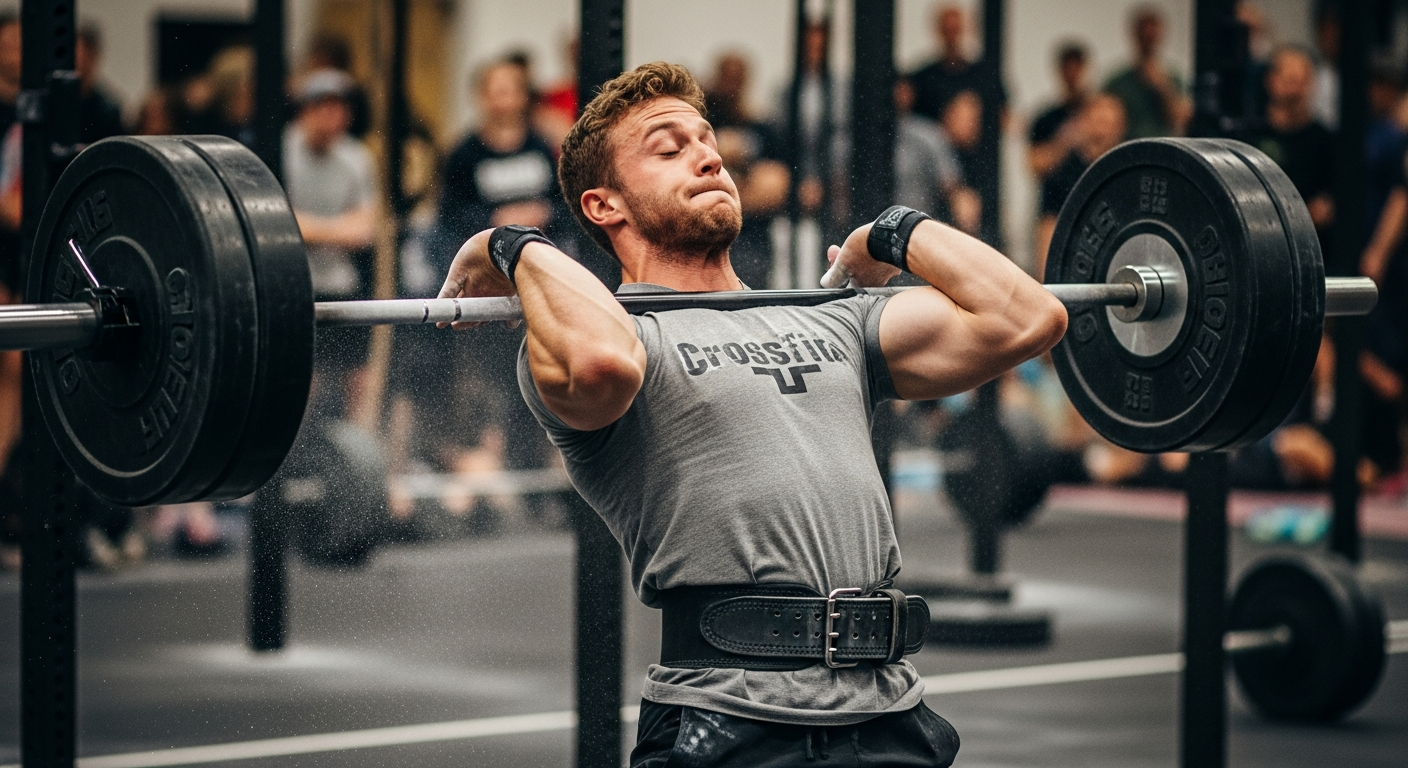
Best Lifting Belt for CrossFit 2026: Support That Moves With You
A good lifting belt should become invisible in the middle of a heavy squat or clean. We tested the top CrossFit-compatible lifting belts to find the ones that actually disappear when you need them to.
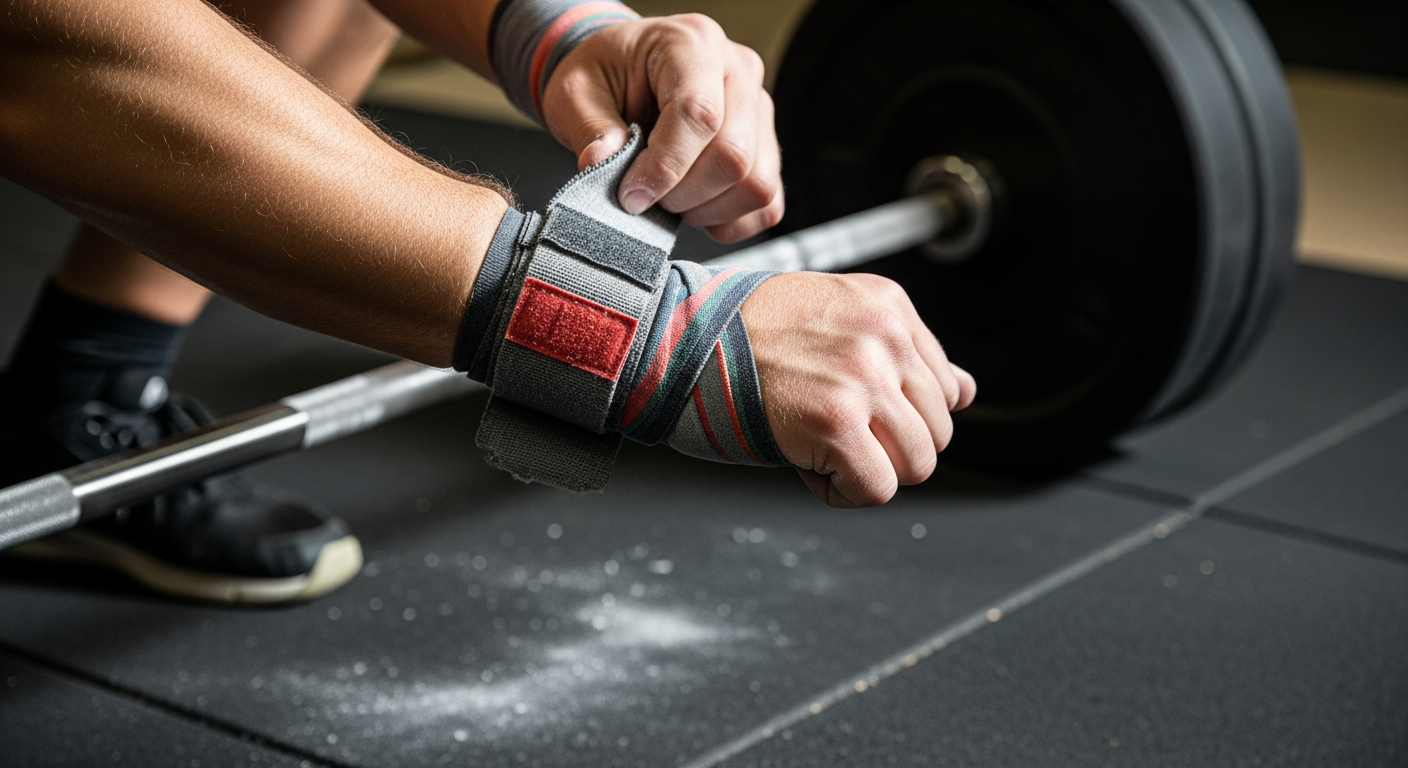
Best Wrist Wraps for CrossFit 2026: Protect Your Lifts Without Losing Wrist Mobility
Wrist pain is the silent CrossFit career-ender. The right wrist wraps keep you training through heavy pressing cycles and overhead work without sacrificing mobility. Here's our 2026 guide.
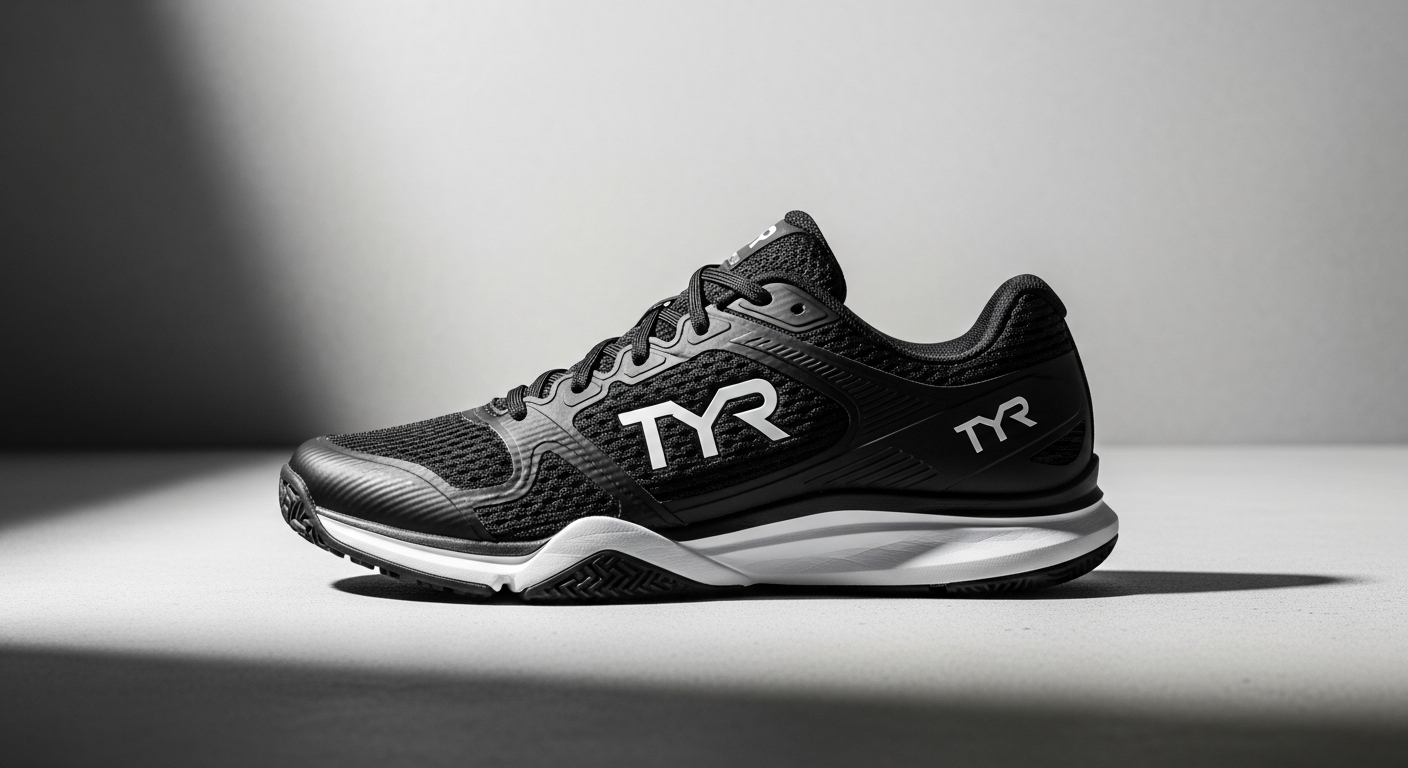
TYR CXT-3 Trainer Review: The Underdog CrossFit Shoe That Deserves Your Attention
TYR is known for swimwear. Their CXT-3 training shoe is trying to change that. After 6 weeks of daily CrossFit use, here's whether it's worth taking the leap on an unknown brand.