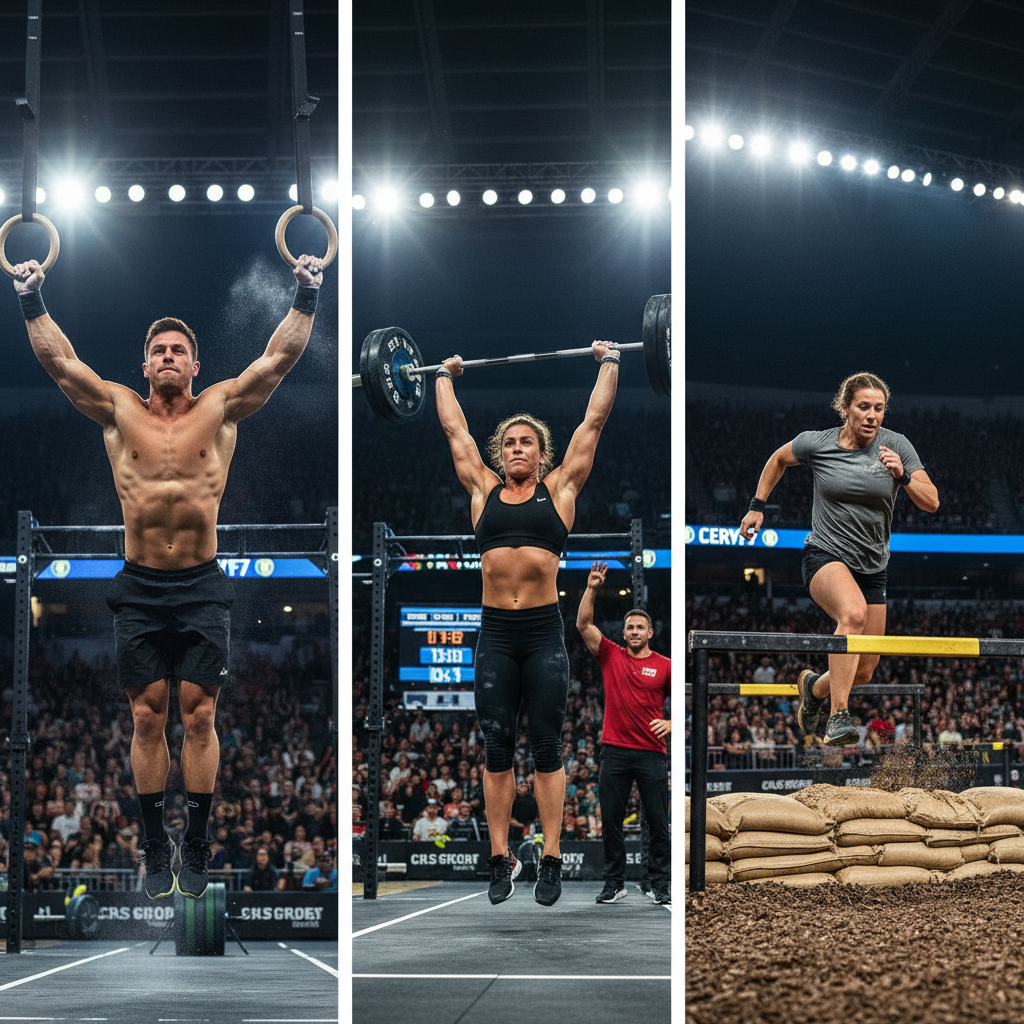
2026 CrossFit Quarterfinals Are Live — Here's What's at Stake
Quarterfinals opened March 26. The top 25% of Open finishers have four workouts to prove they belong at Semifinals. Here's the full breakdown.
The waiting is over. After months of Open workouts, strategy debates, and leaderboard stalking, the 2026 CrossFit Quarterfinals are officially live — and the stakes have never been higher. This is the stage where the field narrows from tens of thousands to a few hundred, where dreams of the Games either crystallize or shatter, and where the programming is designed to expose every weakness an athlete has tried to hide.
Quarterfinals have become the most brutally efficient filter in competitive CrossFit. The workouts are harder than the Open, the judging standards are tighter, and the consequences of a single bad event can end your season. With the 2026 Games in San Jose — the 20th anniversary edition — the motivation to advance has never been greater.
Here's what's at stake, what the workouts are testing, and who to watch as the Quarterfinals unfold.
The Format: How Quarterfinals Work
Structure and Scoring
The CrossFit Quarterfinals are a remote competition: athletes perform five workouts over a designated weekend (typically Thursday through Monday), in their own gyms, under their own judging — with video review to catch any standards violations.
Key structural details for 2026:
- ▸Five workouts released simultaneously on Thursday morning
- ▸Athletes have approximately 4 days to complete and submit all five
- ▸Each workout is scored independently, and athletes are ranked on cumulative placement points across all five
- ▸Video submission is mandatory for all athletes — judges review movements for standards compliance
- ▸Approximately 2,400 men and 2,400 women worldwide compete, having qualified through the top 10% finish in the CrossFit Open
The scoring system rewards consistency over brilliance. An athlete who finishes 10th, 12th, 8th, 15th, and 11th across five events will likely advance over an athlete who finishes 1st, 1st, 1st, 50th, and 50th. This design intentionally favors well-rounded fitness — one bad event won't end you, but two will.
Key takeaway: Quarterfinals is a test of completeness. The athletes who advance aren't necessarily the best at any single workout — they're the ones who have no catastrophic weaknesses.
The Advancement Math
Advancement from Quarterfinals to Semifinals is based on continental allocations:
- ▸North America: Top 60 men, top 60 women (split between East and West Semifinals)
- ▸Europe: Top 40 men, top 40 women
- ▸Oceania: Top 20 men, top 20 women
- ▸Asia: Top 20 men, top 20 women
- ▸South America: Top 20 men, top 20 women
- ▸Africa: Top 20 men, top 20 women
These numbers mean that the competition intensity varies dramatically by continent. Advancing from North America requires a top-2.5% finish (60 out of ~2,400), while advancing from Africa might require a top-10-15% finish from a smaller field. The disparity has been a source of debate, but it reflects the sport's geographical distribution of talent.
Video Review: The Invisible Judge
One of Quarterfinals' most significant features is the video review process. Every submitted workout must be recorded from an angle that clearly shows movement standards — full depth on squats, lockout on presses, chin over bar on pull-ups.
Athletes have been penalized or disqualified in previous years for:
- ▸No-repping themselves insufficiently — performing reps that don't meet the movement standard
- ▸Camera angle violations — filming from angles that obscure key positions
- ▸Clock discrepancies — inconsistencies between displayed time and claimed score
- ▸Equipment irregularities — using non-standard equipment (wrong wall ball weight, incorrect box height)
The stakes are real: a video review penalty can drop an athlete several hundred places in a single workout, potentially costing them their Semifinals spot.
The 2026 Workouts: What They're Testing
Programming Philosophy
While the specific workouts change each year, Quarterfinals programming consistently targets five key fitness domains:
Workout 1 — The Aerobic Grinder Typically a longer workout (12-20 minutes) featuring moderate loads and cyclical movements. Think rowing, assault bike, or running combined with wall balls, kettlebell swings, or box jumps. This workout separates athletes with genuine aerobic engines from those who can only sprint.
Workout 2 — The Strength Test A heavy lifting component — often a 1RM or heavy complex (e.g., clean & jerk ladder, heavy deadlift + gymnastics superset). This is where athletes with a strength foundation gain crucial points over lighter, more endurance-oriented competitors.
Workout 3 — The Gymnastics Separator This is the workout that typically causes the most heartbreak. High-skill gymnastics under fatigue — muscle-ups, handstand walks, pistol squats, or pegboard climbs — separates the technically proficient from the merely strong and fit.
Workout 4 — The Sprint A short, high-intensity piece (under 8 minutes) designed to test power output and pain tolerance. Think "Fran"-style couplets or short-duration AMRAPs with heavy loading.
Workout 5 — The Wildcard CrossFit loves a curveball. Previous Quarterfinals have included odd objects, unconventional movements, or unusual time domains. This workout tests adaptability and mental toughness — can you perform well when the workout doesn't play to your strengths?
Key takeaway: The five-workout Quarterfinals format is designed so that every athlete will face at least one workout they hate. The question isn't whether you'll struggle — it's how well you manage the damage.
Movement Trends to Watch in 2026
Based on recent programming trends and the Open workouts that preceded Quarterfinals, several movements are likely to feature prominently:
- ▸Shuttle runs or short sprints: CrossFit has been incorporating more running into competition programming, and shuttle runs are logistically simple for a home-gym format
- ▸Strict gymnastics: The trend toward strict pull-ups, strict handstand push-ups, and strict muscle-ups continues to accelerate — rewarding true strength over kipping efficiency
- ▸Heavy barbell cycling: Touch-and-go snatches, cleans, or thrusters at moderate-to-heavy weights, testing power endurance
- ▸Echo bike or ski erg for calories: Machine work has become a Quarterfinals staple, requiring athletes to own specific equipment
- ▸Double-unders or crossovers: Simple movements that become coordination challenges under fatigue
Who to Watch: Athletes on the Bubble
The Heartbreak Zone
The most dramatic stories at Quarterfinals come from the bubble — athletes ranked 50th-70th in North America or 35th-50th in Europe, who are one workout away from making or missing Semifinals.
Athletes with the most to gain:
- ▸Saxon Panchik — After an injury-plagued 2025, the younger Panchik brother showed strong form at Wodapalooza. Quarterfinals will reveal whether his fitness has returned to Games-qualifying level
- ▸Guilherme Malheiros — The Brazilian powerhouse is one of the strongest athletes in the field but has historically struggled with high-skill gymnastics. If the programming is heavy-biased, he advances. If it's gymnastics-heavy, he's in danger
- ▸Danielle Brandon — Rebuilt her training setup in the off-season and looked sharp at Woza. The Open went well, but Quarterfinals is where the real test begins
- ▸Brooke Wells — A Games veteran who has fallen just short of the podium multiple times. At 29, her window for a breakthrough Games performance is narrowing
Potential upset candidates:
- ▸Several teenage and early-20s athletes who excelled in the Open are now facing their first Quarterfinals. History shows that some will rise to the occasion while others will be exposed by the step up in difficulty
- ▸International athletes from smaller regions who dominated their continental Open leaderboards but haven't been tested against the global field
The Safe Bets
Some athletes are essentially guaranteed to advance barring injury or major mistakes:
- ▸Justin Medeiros — The reigning Games champion hasn't missed a Semifinals since his debut. His consistency across all domains is virtually unmatched
- ▸Jeffrey Adler — Canada's perennial contender, whose combination of size, strength, and engine makes him a top-5 threat every year
- ▸Gabriela Migała — After her dominant Wodapalooza performance, she's the clear favorite in the European women's field
- ▸Emma Lawson — The young Canadian has the skills, the fitness, and the composure to cruise through Quarterfinals
Key takeaway: The favorites rarely stumble at Quarterfinals — it's the athletes ranked 20th-80th where the real drama lives. That's where careers are made or seasons end.
Strategy: How Athletes Approach Quarterfinals
The Multi-Day Game
Unlike in-person competitions where you perform events back-to-back, Quarterfinals' 4-day window creates unique strategic considerations:
- ▸Workout order: Athletes can complete the five workouts in any order. Smart athletes identify their strongest workout first to build confidence and bank a good score, then tackle their weakest with full focus
- ▸Multiple attempts: While not officially encouraged, the format technically allows athletes to attempt a workout multiple times and submit their best score. This favors athletes with home gym access and the recovery capacity to handle repeat efforts
- ▸Recovery management: Five hard workouts in four days is a significant physical load. Athletes must balance going all-out on each piece with managing accumulated fatigue across the weekend
- ▸Equipment access: Quarterfinals workouts may require specific equipment (GHD, ski erg, specific barbell weights). Athletes without access must travel to a gym that has it, adding logistical complexity
The Video Game
Filming adds a psychological layer that many athletes underestimate:
- ▸The camera creates performance anxiety — knowing that judges will scrutinize every rep changes how athletes move
- ▸Failed attempts that would be invisible in a competition setting are recorded for posterity
- ▸Athletes must balance movement quality (clear standards for the camera) with speed (the actual competition)
- ▸Smart athletes do a test run first, review the video for standards issues, then perform the scored attempt
The Bigger Picture: Why Quarterfinals Matter
For the Sport
Quarterfinals are CrossFit's most effective tool for maintaining competitive integrity in a sport that begins with a home-gym format. The video review process, while imperfect, creates accountability that the Open alone cannot provide. It's the stage where the field transitions from participation to competition.
The programming at Quarterfinals also sets the tone for the season. The movements and domains tested here signal what athletes should expect at Semifinals and the Games — coaches and athletes parse every workout for clues about what's coming next.
For the Athletes
For the 40 men and 40 women who will ultimately compete at the Games in San Jose, Quarterfinals is the first real hurdle. Miss the cut here, and your season is over in April — no matter how good your Open was.
The mental toll is significant. Athletes describe Quarterfinals weekend as:
- ▸More stressful than the Games themselves — because at the Games, you've already qualified
- ▸Lonely — performing in your own gym, without competitors beside you or crowds cheering, is a fundamentally different experience than in-person competition
- ▸Technically demanding — video review means you can't get away with questionable reps that might slide at a local competition
For the Fans
Quarterfinals has become appointment viewing for the CrossFit community. Leaderboard watching — refreshing the scores as athletes submit throughout the weekend — has become its own sport. Social media fills with workout breakdowns, strategy debates, and the inevitable controversy over judging standards.
The 2026 edition carries extra weight because of the San Jose Games. Every athlete knows that qualifying for the 20th anniversary Games would be a career highlight — and that pressure makes every Quarterfinals rep matter more.
Key takeaway: The 2026 Quarterfinals aren't just a competition stage — they're the gateway to what could be the most historic CrossFit Games ever. The pressure is on, the workouts are live, and the clock is ticking.
Five workouts. Four days. One question: who's going to San Jose?
The leaderboard will tell us soon enough.
More from BoxJunkies
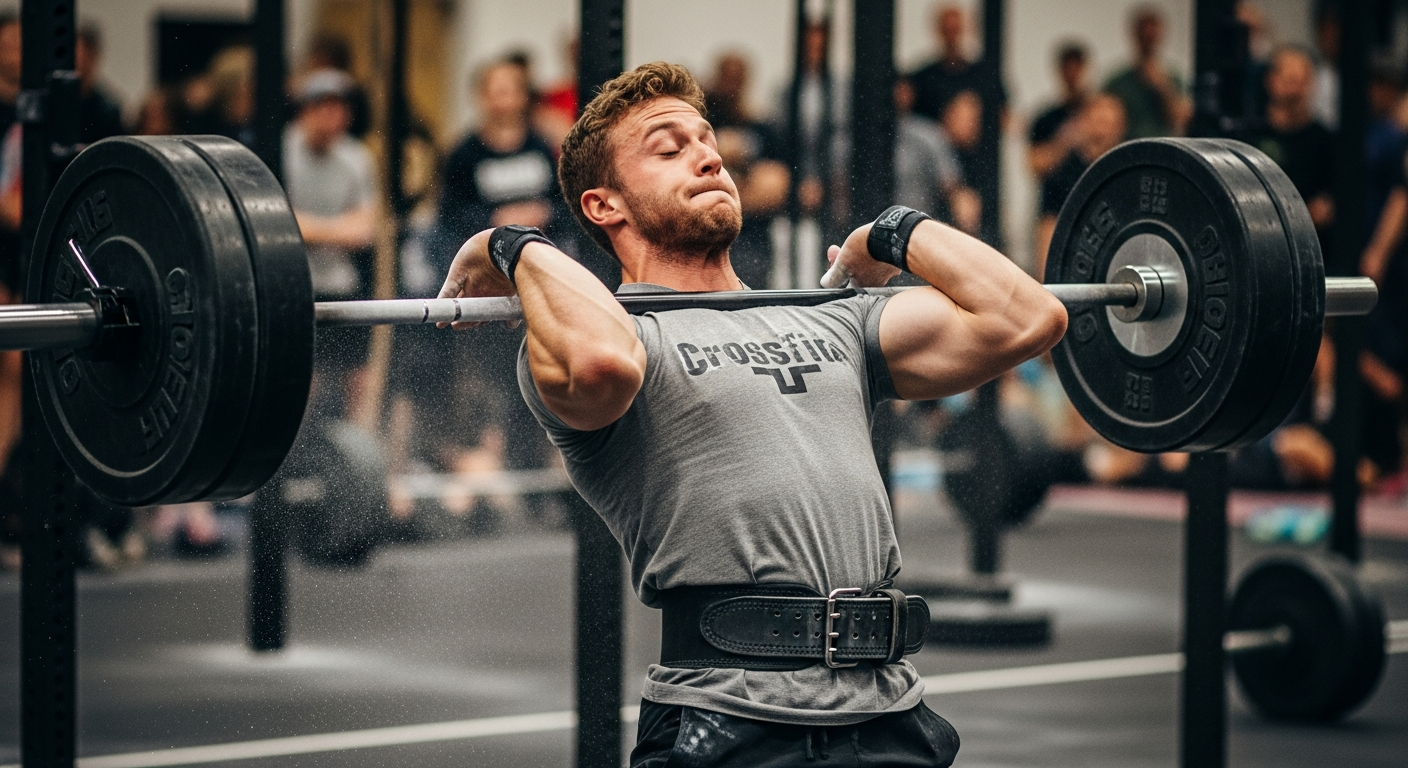
Best Lifting Belt for CrossFit 2026: Support That Moves With You
A good lifting belt should become invisible in the middle of a heavy squat or clean. We tested the top CrossFit-compatible lifting belts to find the ones that actually disappear when you need them to.
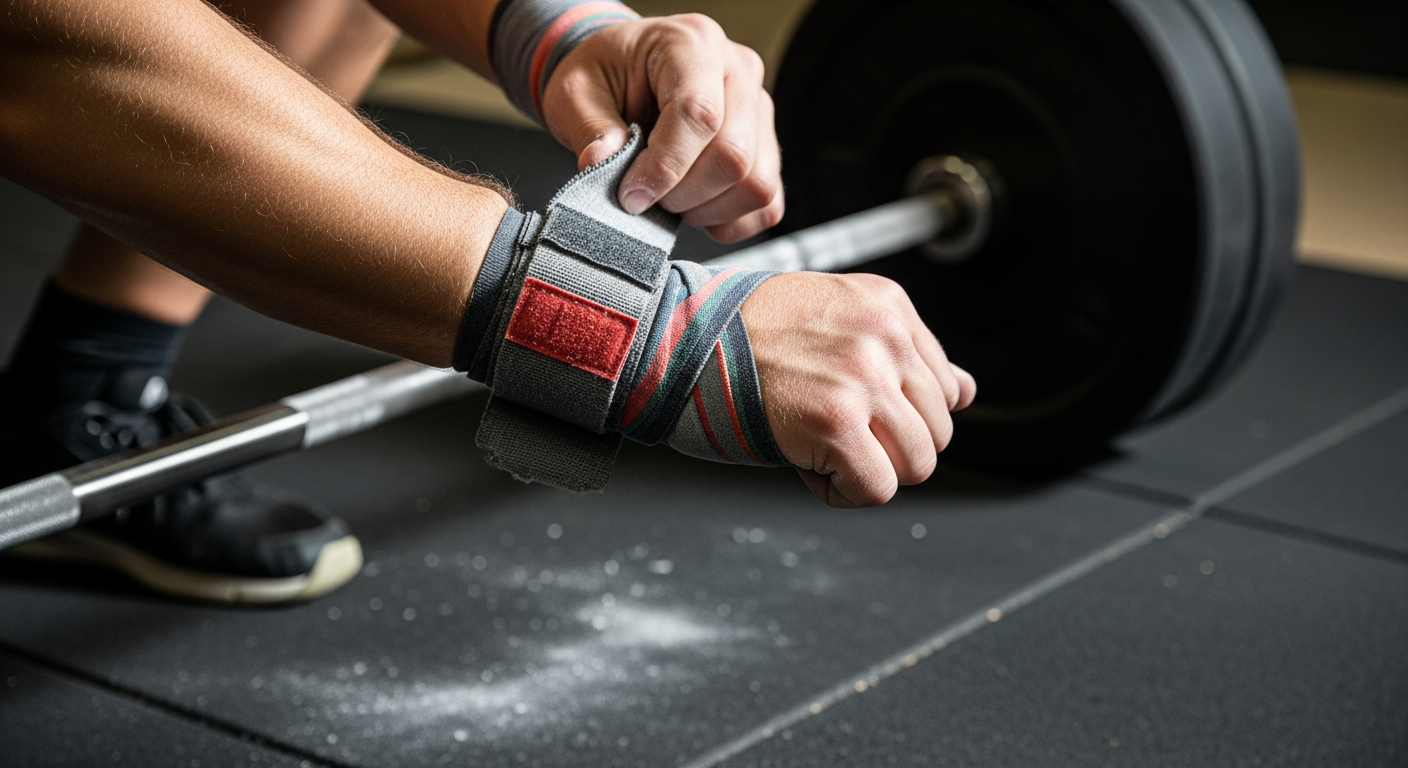
Best Wrist Wraps for CrossFit 2026: Protect Your Lifts Without Losing Wrist Mobility
Wrist pain is the silent CrossFit career-ender. The right wrist wraps keep you training through heavy pressing cycles and overhead work without sacrificing mobility. Here's our 2026 guide.
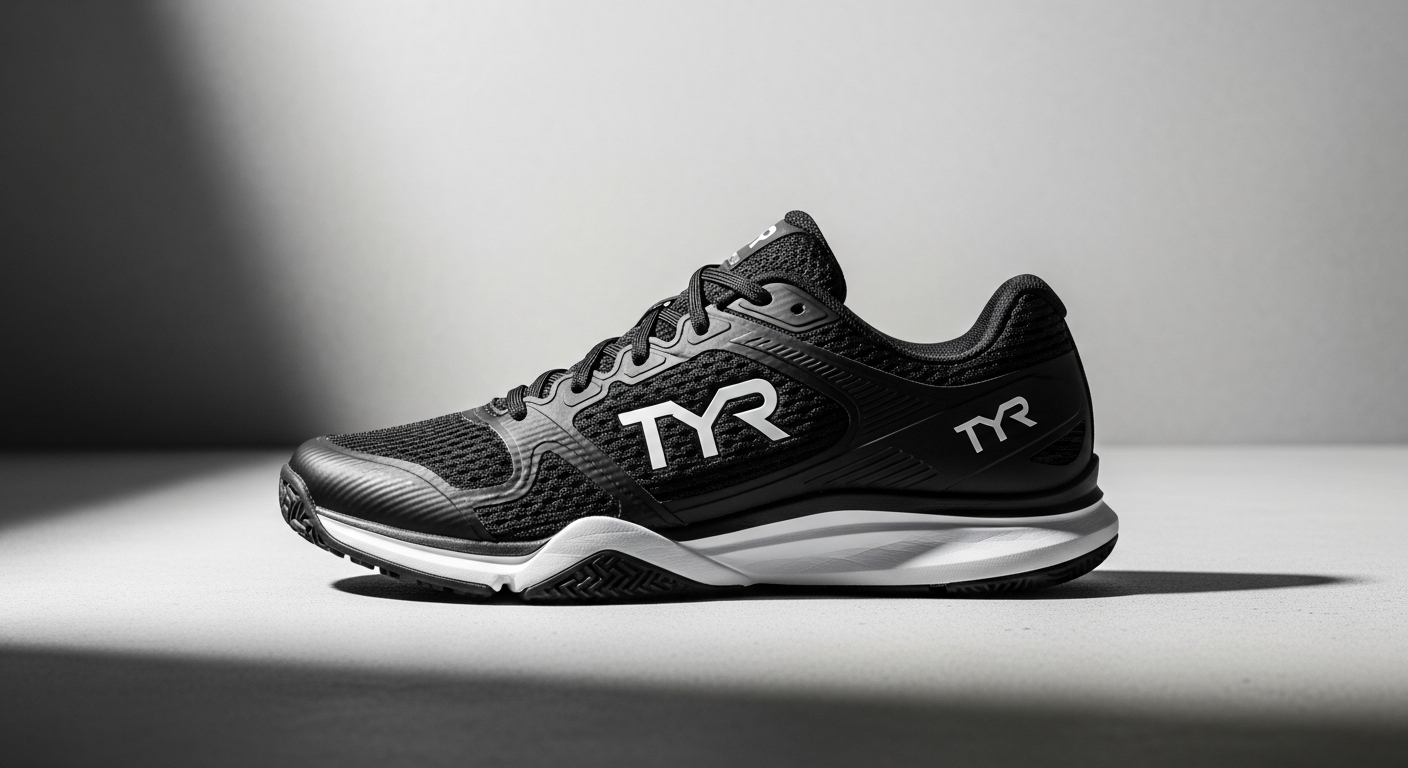
TYR CXT-3 Trainer Review: The Underdog CrossFit Shoe That Deserves Your Attention
TYR is known for swimwear. Their CXT-3 training shoe is trying to change that. After 6 weeks of daily CrossFit use, here's whether it's worth taking the leap on an unknown brand.