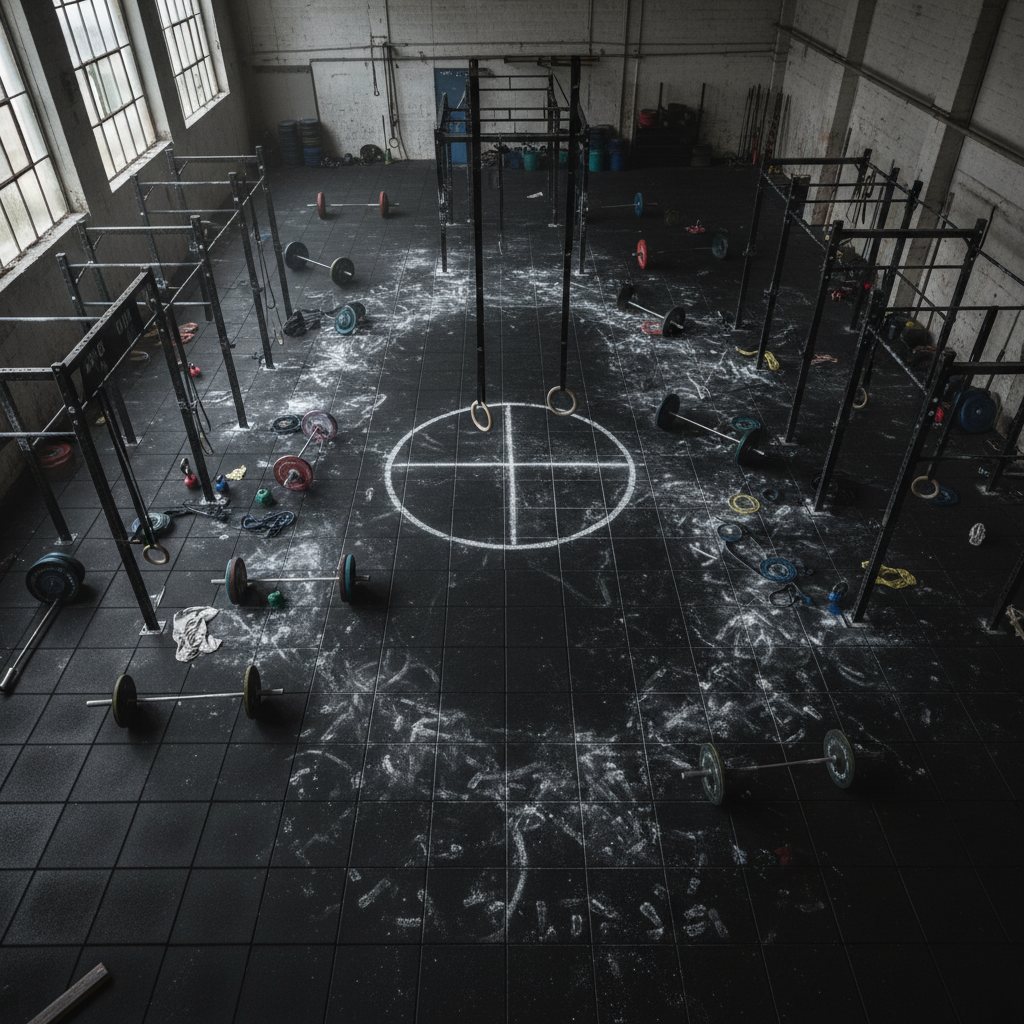
2026 CrossFit Open Wrapup: The Numbers That Mattered
Record participation, surprise leaderboard movements, and the trends that will shape the rest of the season.
The Biggest Open in History
The numbers are in, and the 2026 CrossFit Open has officially become the largest participatory fitness event in the world. More than 750,000 athletes registered across Individual, Age Group, and Adaptive divisions — a record that shattered the previous high by nearly 100,000 registrations. Over three weeks and three workouts, the CrossFit community delivered a global fitness experiment of staggering scale.
But raw registration numbers only tell part of the story. The 2026 Open was notable not just for how many people showed up, but for what the data revealed about the state of the sport, the fitness of its community, and the direction CrossFit is heading.
"The Open is the only fitness event on Earth where a first-time athlete and a future Games champion do the same workout on the same day. That's either brilliant or insane. Probably both." — Community sentiment
Registration Trends and Demographics
The growth story of the 2026 Open is not uniform. Several key trends emerged from the registration data:
- ▸International growth outpaced North America for the third consecutive year, with Europe posting a 22% increase and Asia growing by 31%
- ▸Female participation rose to 44% of total registrations, the highest percentage in Open history
- ▸Age Group divisions saw significant growth in the 35-39 and 40-44 brackets, reflecting the maturation of CrossFit's original adopter generation
- ▸First-time participants accounted for approximately 28% of registrations, indicating strong new-member acquisition
- ▸Adaptive divisions grew by 18%, bolstered by increased visibility and dedicated programming
The geographic diversification is particularly significant. CrossFit's long-term viability depends on growing beyond its North American base, and the 2026 Open data suggests that strategy is working.
Completion Rates: Who Finished What
Not everyone who registers completes all three workouts, and the completion data tells its own story. The 2026 Open posted an overall completion rate of 73% — meaning roughly three-quarters of registered athletes submitted scores for all three workouts.
This number is broadly consistent with historical averages but masks significant variation by division. Elite-track athletes completed at rates above 95%, while first-time participants dropped off after the first workout at rates approaching 40%.
The Workouts: A Programming Analysis
CrossFit's programming team, led by the recently returned Dave Castro, designed three workouts that tested the community across a broad spectrum of fitness qualities. Each workout told its own story.
Open 26.1: The Equaliser
The first workout paired wall walks with dumbbell snatches in an ascending-rep scheme under a 15-minute time cap. The design was classic Open philosophy: accessible movements that become brutally challenging at volume.
Wall walks served as the separator. Athletes with strong shoulders and midline control moved through them efficiently; athletes without those qualities hit a wall — literally. The movement has become an Open staple since its introduction in 2021, and the community's proficiency has improved markedly. The average completion percentage for the wall walk rounds was 12% higher than the first time the movement appeared in Open programming.
Key stats from 26.1:
- ▸Fastest time posted: 6:42 (male individual), 7:18 (female individual)
- ▸Average completion time: 12:34 (men), 13:02 (women)
- ▸Time-cap rate: 31% of participants did not finish under the cap
- ▸Most common sticking point: The transition from round 3 to round 4 wall walks
Open 26.1 was a fitness tax. You either paid it in training over the past year, or you paid it in suffering on the floor.
Open 26.2: The Engine Test
The second workout was a 20-minute AMRAP (As Many Rounds As Possible) featuring rowing, thrusters, and chest-to-bar pull-ups with escalating thruster weights each round. This was the workout designed to test cardiovascular endurance, muscular stamina, and the ability to maintain output as fatigue accumulates.
The escalating weight on the thrusters was the key design element. Early rounds at 95/65 lb were manageable for most competitive athletes, but the jump to 135/95 lb and eventually 155/105 lb in later rounds created a natural separation point. Only the truly strong and well-conditioned athletes could maintain their rep rate through the heavier rounds.
Chest-to-bar pull-ups served their traditional role as a gymnastics filter. For recreational athletes, getting to the chest-to-bar rounds was the goal. For competitive athletes, maintaining large unbroken sets while fatigued was the test.
Key stats from 26.2:
- ▸Top score: 7 rounds + 14 reps (male), 6 rounds + 22 reps (female)
- ▸Average score: 4 rounds + 8 reps (men), 3 rounds + 18 reps (women)
- ▸Percentage reaching heavy thrusters: 34% of male participants, 29% of female participants
- ▸Chest-to-bar completion rate: 61% of participants completed at least one round of C2B
Open 26.3: The Sprint and Grind
The final workout of the 2026 Open was a two-part test: a 3-minute sprint of burpee box jump-overs and power cleans, immediately followed by a 12-minute grind featuring double-unders, deadlifts, and handstand push-ups. The two-part structure was designed to test different energy systems and movement patterns in a single workout.
The sprint portion rewarded fast-twitch athletes and those comfortable with high-heart-rate transitions. The grind portion rewarded pacing, stamina, and the ability to perform skilled movements (handstand push-ups) while exhausted.
The handstand push-up was the Open's final boss. For many athletes, this movement remains a barrier. The 2026 data showed that 47% of male participants and 38% of female participants could perform at least one handstand push-up in competition — numbers that continue to climb year over year as the movement becomes more commonly trained.
Regional Insights: The Global Picture
The Open's global nature makes it a unique dataset for understanding fitness trends across different regions and cultures.
North America: Still the Deepest Pool
North America continues to dominate in raw numbers and competitive depth. The top 1,000 men and women in North America posted scores that would place them in the top 100 in most other regions. This depth advantage reflects the sport's longer history in the US and Canada, the density of high-quality affiliates, and the competitive infrastructure that has developed over 15+ years.
However, the gap is narrowing. European athletes, particularly from Scandinavia, Iceland, and the UK, posted scores in the 2026 Open that matched or exceeded North American averages in several workouts. The continent's investment in CrossFit coaching and competition infrastructure is paying dividends.
Europe: The Rising Tide
Europe's growth story is the most compelling in the 2026 Open data. Countries that were CrossFit afterthoughts five years ago — Spain, France, Germany — are now producing athletes who compete at the international level.
The Scandinavian countries continue to punch above their weight. Iceland, with a population of roughly 380,000, produced more top-1,000 Open finishers per capita than any other country in the world — a statistic that would be unbelievable if it were not verifiable.
Emerging Regions: Africa, Asia, South America
The most exciting growth is happening in regions where CrossFit is still relatively new. Africa's registration numbers jumped by 25%, driven largely by growth in South Africa, Kenya, and Nigeria. Asia posted similarly strong numbers, with South Korea, Japan, and India leading growth.
South America remains dominated by Brazil, which has the largest CrossFit community outside North America and Europe. Brazilian athletes posted consistently strong scores, and several are expected to make noise at the Semifinal level.
The 2026 Open was not just the biggest — it was the most global. For the first time, every inhabited continent contributed meaningful competitive depth to the leaderboard.
What the Open Data Tells Us About CrossFit's Future
Beyond the individual stories and workout breakdowns, the 2026 Open data paints a picture of a sport that is growing, diversifying, and maturing.
The Fitness Floor Is Rising
Across every demographic and region, the average fitness level of Open participants continues to climb. Movements that were once considered advanced — muscle-ups, handstand walks, heavy Olympic lifts — are being performed by a larger percentage of the community each year. The 2026 data shows year-over-year improvements in:
- ▸Chest-to-bar pull-up completion rates (up 4% from 2025)
- ▸Handstand push-up completion rates (up 3% from 2025)
- ▸Heavy barbell cycling speed (average time per rep improved by 6%)
- ▸Overall workout completion rates under time caps
This rising fitness floor is a direct result of improved coaching, better programming resources, and a community that increasingly treats the Open as a training target rather than a surprise test.
The Age Group Opportunity
The explosive growth in Age Group divisions — particularly the 35-44 brackets — represents both a demographic inevitability and a business opportunity for CrossFit. As the sport's original adopter generation ages out of elite competition, they are not leaving. They are competing in their age groups with the same intensity and dedication.
This population is engaged, affluent, and loyal — the kind of customer base that sustains a business long-term. CrossFit's ability to serve this demographic with compelling competition, appropriate programming, and meaningful recognition will be a key factor in the sport's long-term health.
The Path to the Games
For the roughly 40,000 athletes who qualified for the Quarterfinals, the Open was just the beginning. The data from their Open performances — pacing strategies, movement proficiencies, weaknesses exposed — will inform their Quarterfinals preparation and, for the select few, their approach to the rest of the competitive season.
The 2026 Open confirmed what the community already knew: CrossFit is bigger, fitter, and more global than it has ever been. The question is no longer whether the sport can grow. The question is whether its competitive infrastructure can keep pace with a community that shows no signs of slowing down.
Three workouts. Three weeks. 750,000 athletes. One leaderboard. The Open remains the most democratic competition in sport — and in 2026, democracy has never been fitter.
More from BoxJunkies
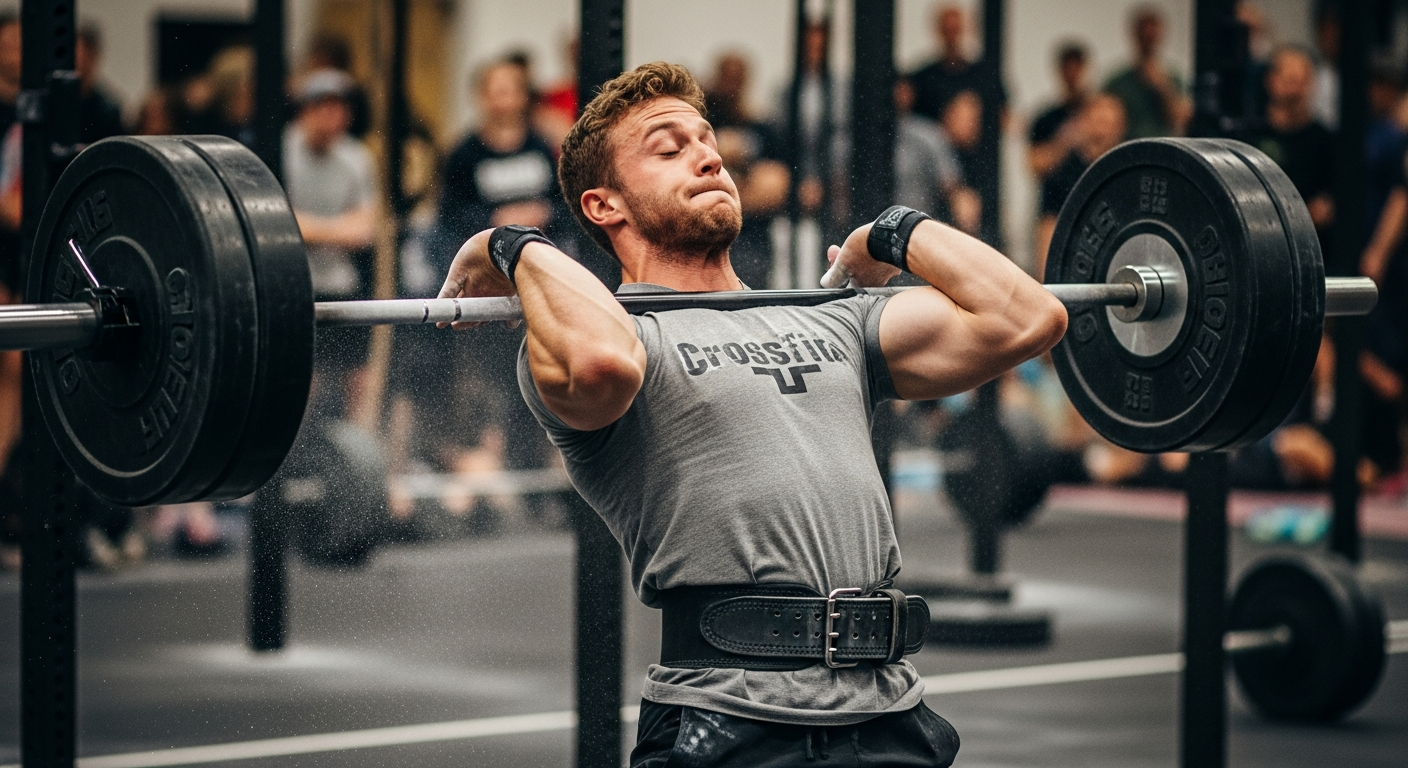
Best Lifting Belt for CrossFit 2026: Support That Moves With You
A good lifting belt should become invisible in the middle of a heavy squat or clean. We tested the top CrossFit-compatible lifting belts to find the ones that actually disappear when you need them to.
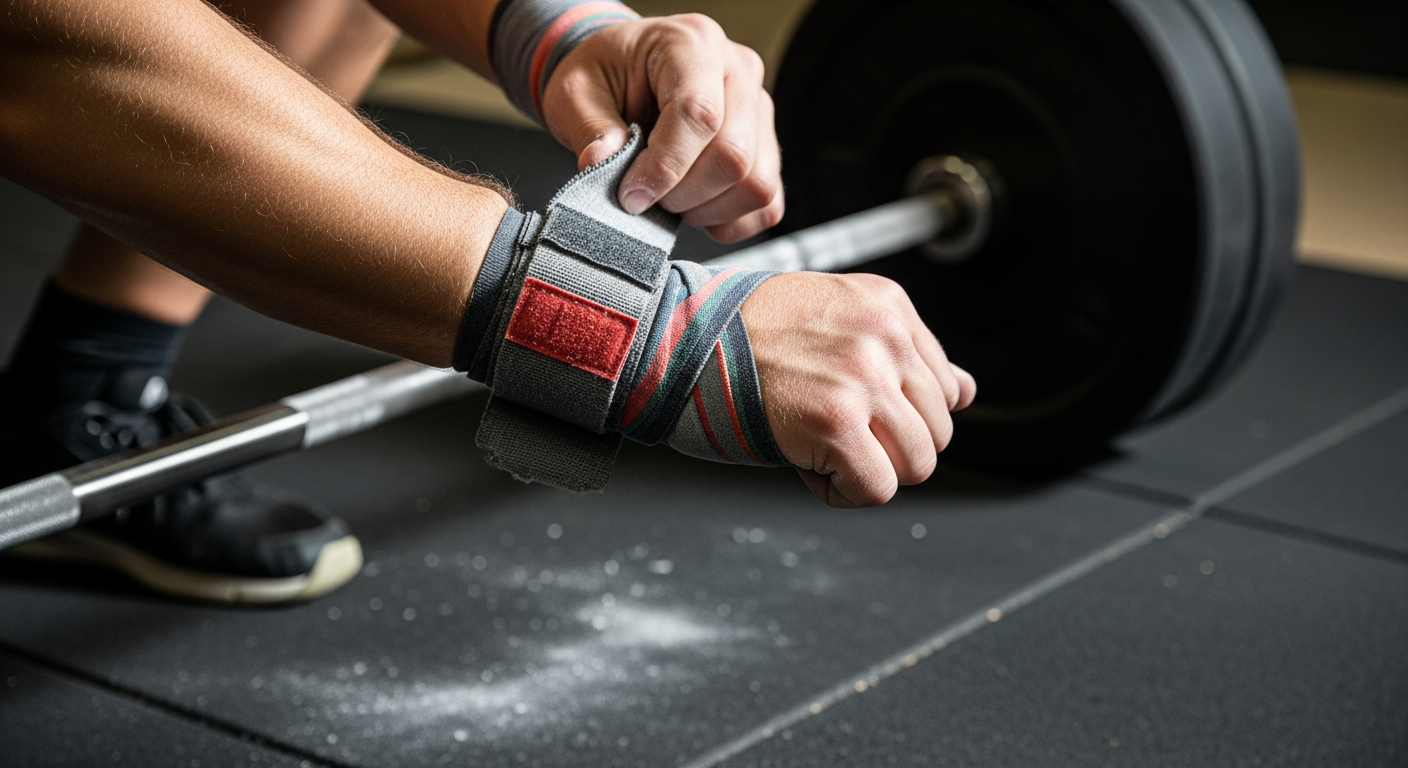
Best Wrist Wraps for CrossFit 2026: Protect Your Lifts Without Losing Wrist Mobility
Wrist pain is the silent CrossFit career-ender. The right wrist wraps keep you training through heavy pressing cycles and overhead work without sacrificing mobility. Here's our 2026 guide.
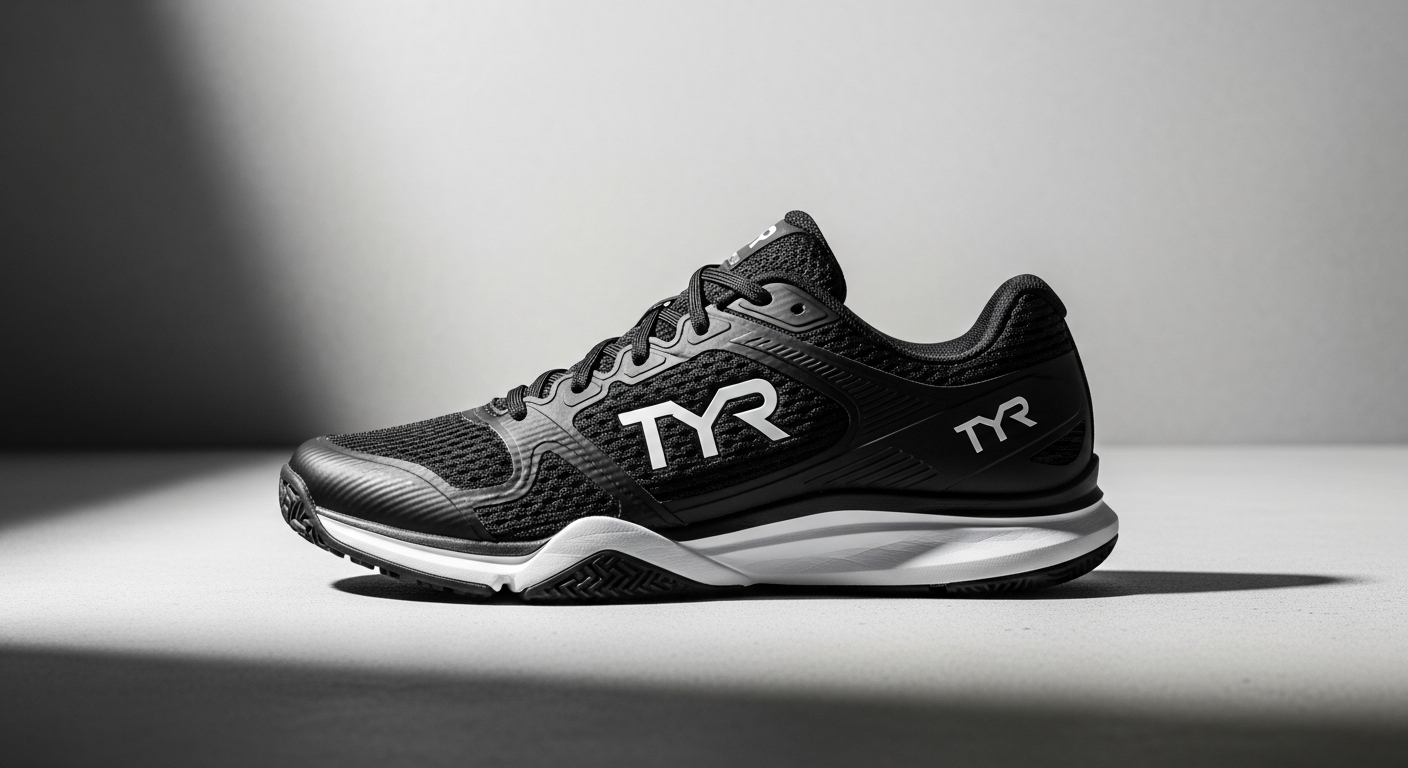
TYR CXT-3 Trainer Review: The Underdog CrossFit Shoe That Deserves Your Attention
TYR is known for swimwear. Their CXT-3 training shoe is trying to change that. After 6 weeks of daily CrossFit use, here's whether it's worth taking the leap on an unknown brand.